
 Packaging Built Around the Buyer
 From Brief to Approved Sample
 Cosmetic Packaging Buyer Guide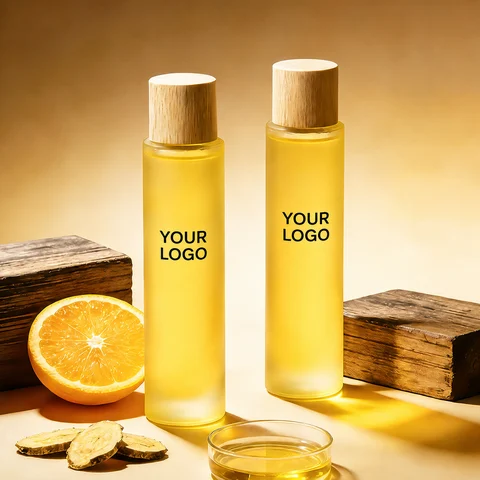
30/50/100ml Essential Oil Bottle – GB-EG-008
- Capacity: 30ml, 50ml, 100ml
- Cap: Plastic screw cap
- Shape: Round
Primary Packaging
Perfume BottlesSerum BottlesCosmetic Dropper BottlesEssential Oil BottlesSkincare BottlesLotion BottlesMore Formats
Airless BottlesFine Mist Spray BottlesRoll-On BottlesFoundation Bottles & ContainersCosmetic JarsCosmetic Packaging SetsColor Cosmetics & Sets
Lip Gloss TubesMascara TubesEyeliner TubesLipstick TubesDeodorant Stick ContainersMakeup PackagingView All Products 202 Products in 18 FamiliesBrowse by format, compare specifications and request samples.
Essential Oil Bottles · Product selection
Select concentrated-oil packaging by light exposure, contact materials, dose and closure system.
Products
Choose a model to view capacity, material and component details. Ask about any specification not listed.
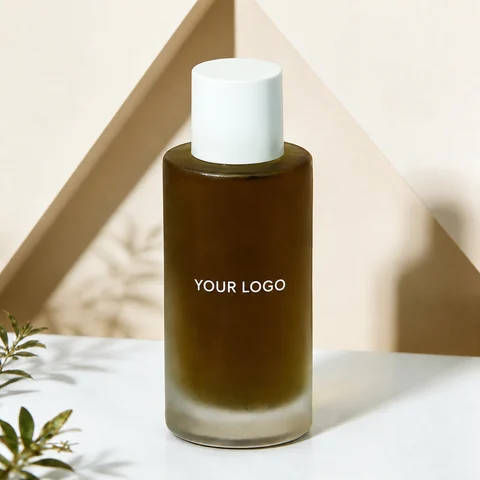
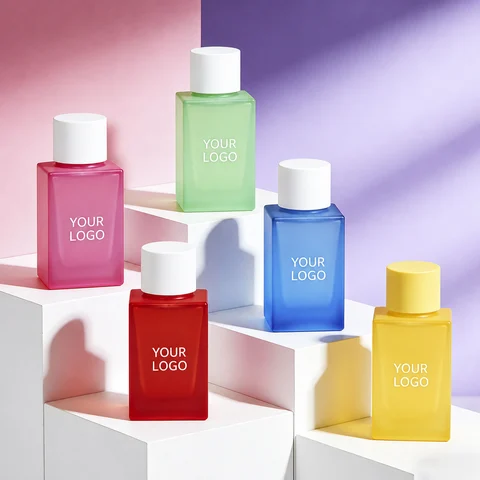
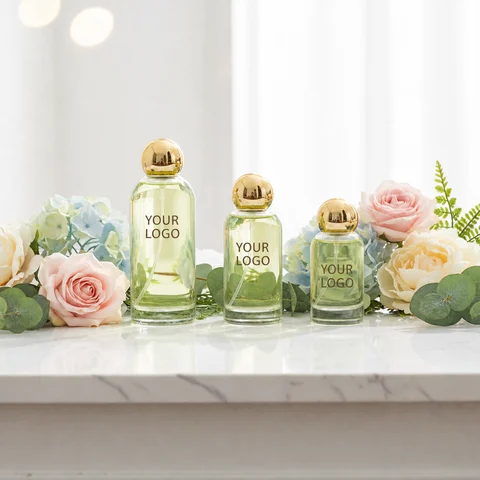
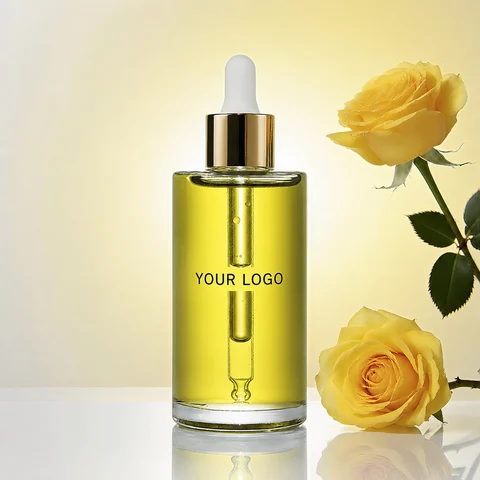
Concentrated-oil packaging
Use this collection for essential oils, aroma blends and concentrated oil treatments. Confirm bottle material and color, then choose a dropper, reducer, cap, pump or roll-on route based on dose, exposure and formula interaction.
Formats
Specify bulb, seal, pipette and delivered-drop expectations.
Confirm orifice, insert retention and cap seal for low-dose use.
Review pump or closure contact, leakage and oxidation exposure during repeated use.
Comparable RFQ fields
Use the same requirements when comparing products and supplier quotes.
| Parameter | What to compare | Why it matters |
|---|---|---|
| Bottle material and color | Recorded body material, tint and any documented treatment | These define what is known before light and contact evaluation. |
| Dispensing route | Dropper, reducer, roller, pump or cap | Each route changes dose, exposure and consumer handling. |
| Contact components | Seal, liner, bulb, pipette, ball and housing | Oil interaction may occur beyond the container body. |
| Closure security | Thread fit, liner or seal and orientation risk | Concentrated oils can expose leakage and odor-transfer concerns. |
Bill of materials
Keep the product code and every contact, dispensing, decoration and packing component inside one controlled BOM.
Product detail gallery
Open a product to browse its image gallery and specifications. Decoration and component combinations should be checked against your sample.
Formula and use questions
These questions guide the shortlist; filled-pack validation remains project-specific.
What seal and storage conditions need evaporation review?
How will viscosity affect the selected dropper, reducer or roller?
What delivered amount and contact surfaces match the intended use?
Controlled customization
Choose label, printing or coating after the application route and likely consumer drips are understood.
Validation before production
Select checks from the formula, dispensing, appearance, handling and transport risks of the actual project.
Observe container, seal and applicator change with the intended oil.
Define closure orientation, time and temperature relevant to distribution and storage.
Assess drop, roll or pour behavior with the formula.
Review labels and finishes where oil may contact the outside pack.
Sample and order path
Choose a product, review its sample and agree the quotation scope.
Share the blend type, fill volume, dose and expected storage without exposing restricted formulation detail.
Compare dropper, reducer, roll-on, pump or cap routes.
Identify every container, seal and applicator material for the selected code.
Set leakage, application, exposure and appearance checks before quotation finalization.
Packaging business division support
BeautyContainers can organize exact-code comparison, applicator questions, sample requests and documentation follow-up for essential-oil packaging.
Buyer resources
Open the resource that matches the unresolved material, component, testing or approval decision.
Compare material trade-offs for concentrated oils.
Open resourceBuild a formula-contact assessment.
Open resourceCover leakage, handling and packing risk.
Open resourceProcurement answers
Resolve the highest-risk buying questions before comparing samples and quotations.

Buyer guide
Plan formula-contact, leakage, pump, temperature and transport checks before production.
Read guide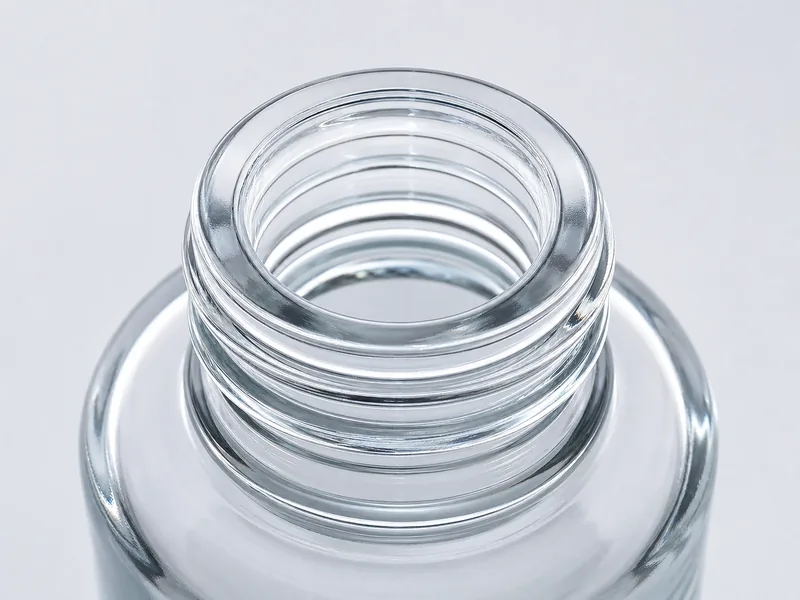
Buyer guide
Compare barrier, weight, appearance, compatibility, cost and recycling considerations.
Read guide
Buyer guide
A buyer-ready checklist covering dimensions, leakage, pump output, torque and transport.
Read guideThe appropriate material and color depend on the formula, storage, exposure, market and evidence available for the selected pack. Do not treat a color convention as a universal rule.
Some projects consider plastic, but suitability depends on the exact resin, formula, contact time, storage and validation. Confirm the material and assess the intended filled system.
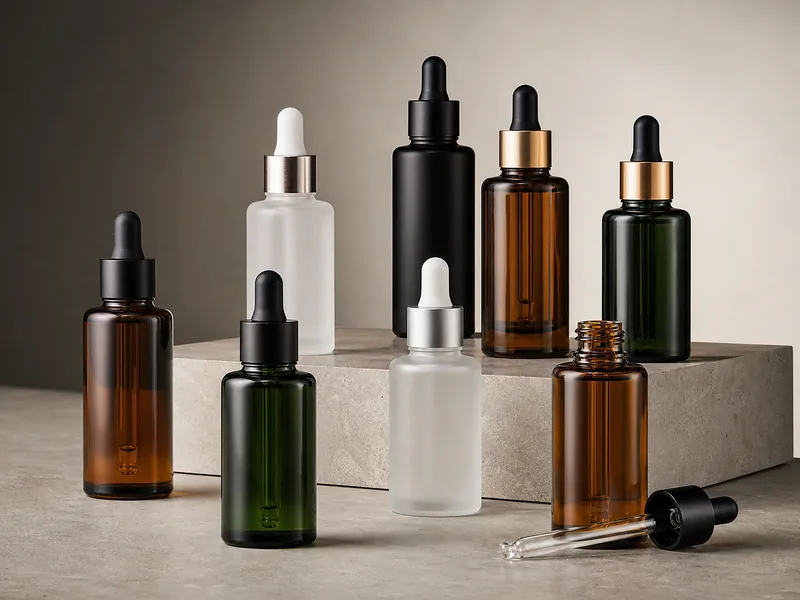
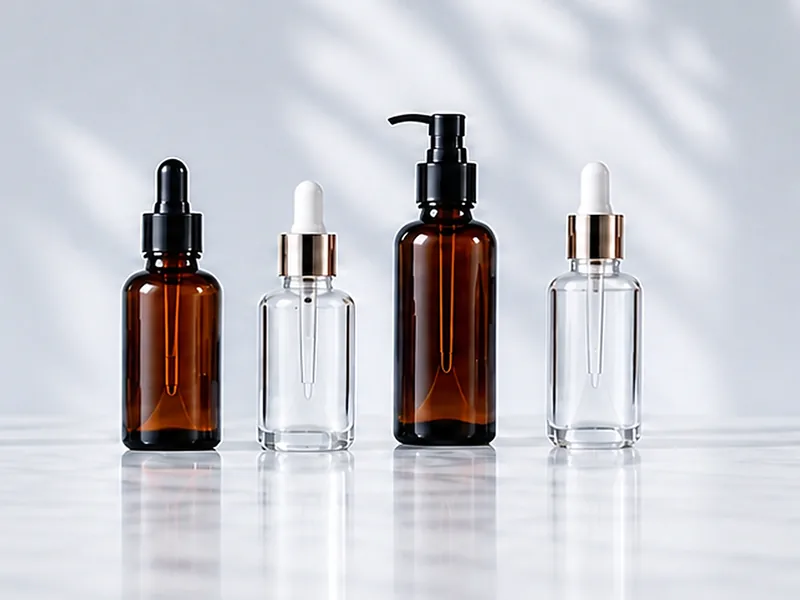
Choose from the intended dose and application. A reducer supports controlled drops, a dropper provides draw-and-deliver use, and a roller supports direct topical application.
Depending on the format, contact may include the bottle, liner, seal, bulb, pipette, reducer, ball, housing, pump and dip tube.
Provide formula category, fill volume, dose, bottle codes, applicator, contact-material questions, decoration, quantity, destination and planned validation.
Collection buyer guide
Color and style come after the formula-contact and application route are understood.
Map light, temperature, storage orientation and expected shelf and use conditions.
Select reducer, dropper, roller or pump geometry around the intended amount.
Request material information and assess the complete filled pack.
Continue by decision
Choose the next page by application or the unresolved product decision that matters to your project.
Start a project
Protection, material suitability, minimums and timing require confirmation for the exact formula and component set.