
 Packaging Built Around the Buyer
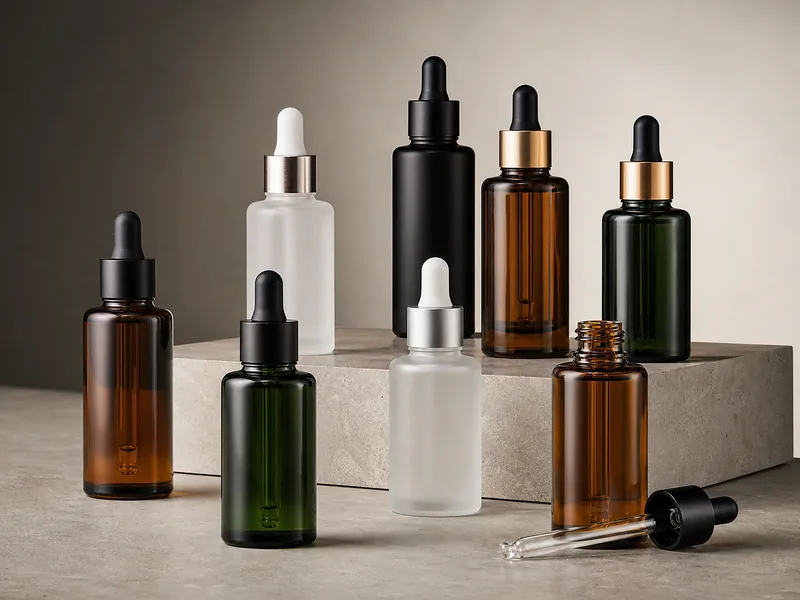 From Brief to Approved Sample
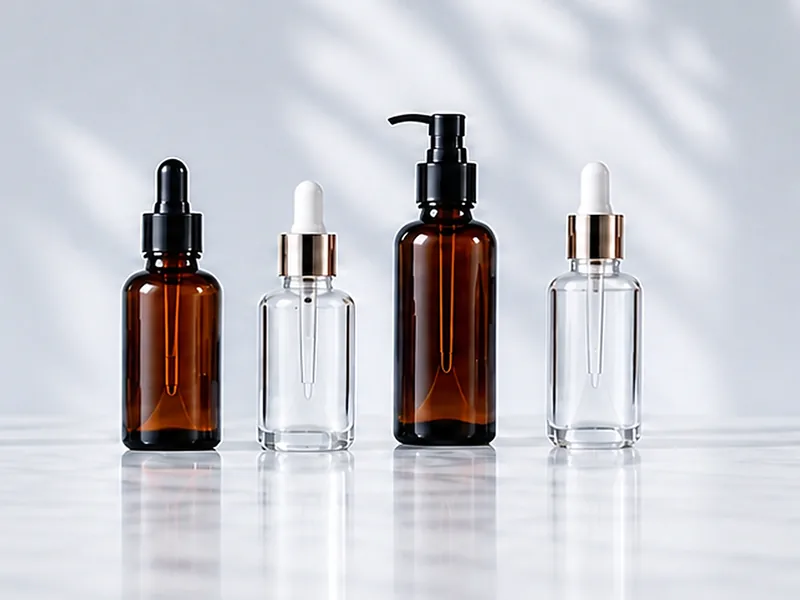 Cosmetic Packaging Buyer Guide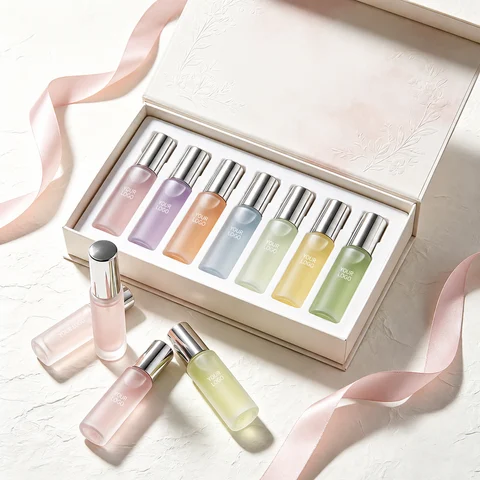
Perfume Bottle – GB-PB-001
Ask for capacity, material and component details before choosing a sample.
Primary Packaging
Perfume BottlesSerum BottlesCosmetic Dropper BottlesEssential Oil BottlesSkincare BottlesLotion BottlesMore Formats
Airless BottlesFine Mist Spray BottlesRoll-On BottlesFoundation Bottles & ContainersCosmetic JarsCosmetic Packaging SetsColor Cosmetics & Sets
Lip Gloss TubesMascara TubesEyeliner TubesLipstick TubesDeodorant Stick ContainersMakeup PackagingView All Products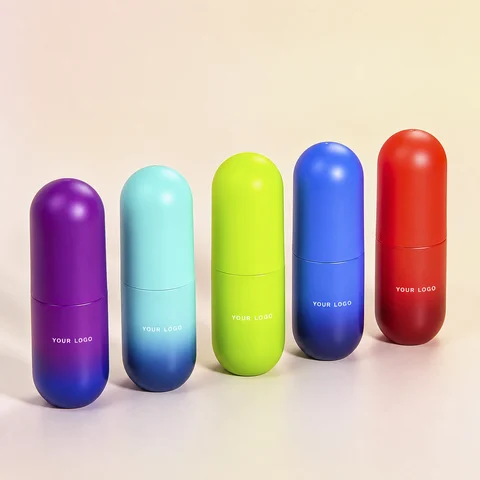 202 Products in 18 FamiliesBrowse by format, compare specifications and request samples.
Glass bottles & jars · Product selection
Compare glass cosmetic packaging by format, capacity and dispensing system. Choose a bottle or jar, then review its components and decoration options.
Products
Choose a format below to compare products. Keep the container, closure and decoration in the same quotation.
13 glass options
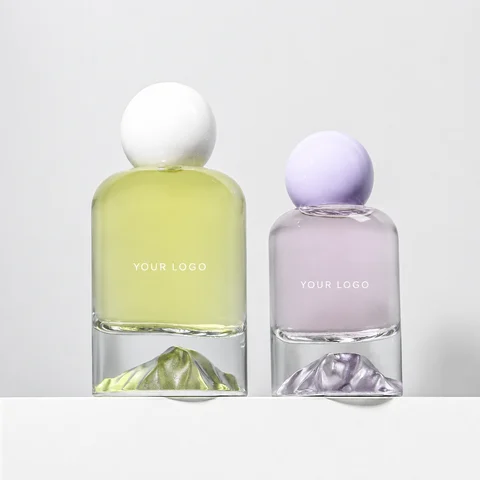
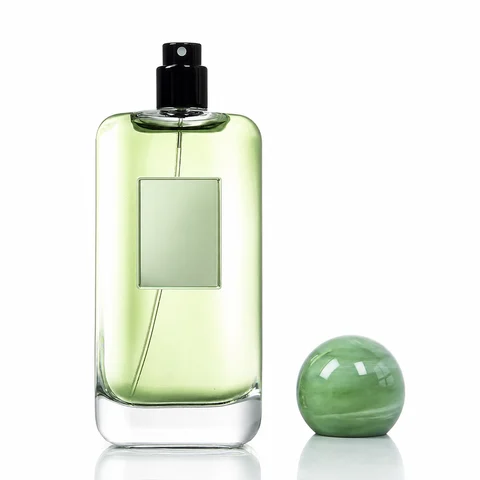
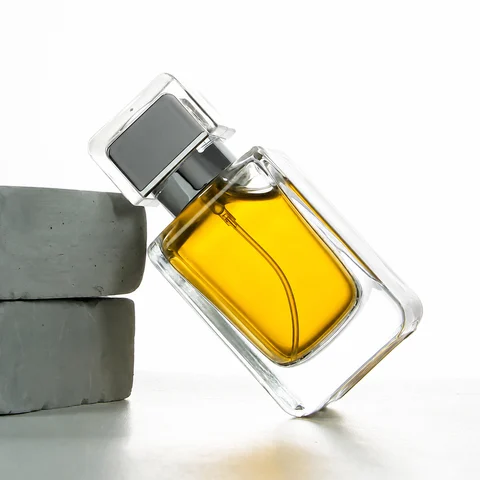
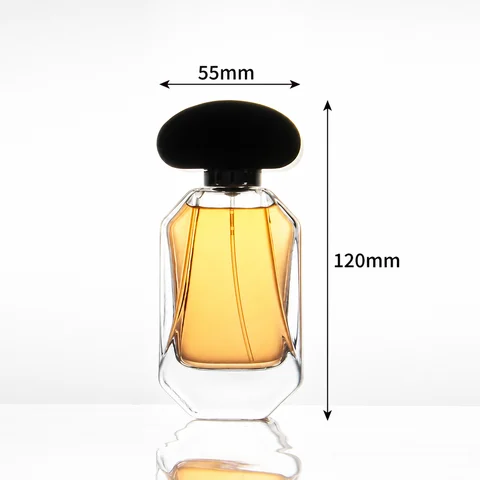
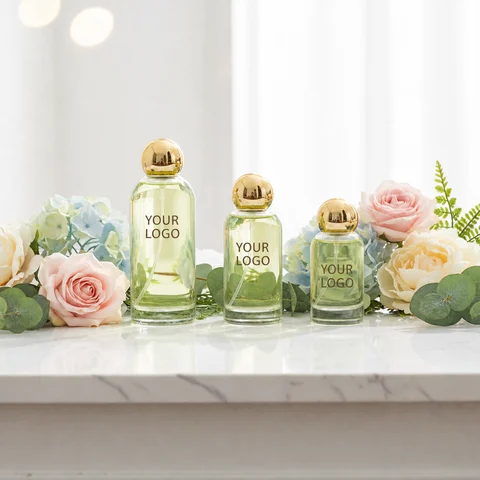
Compare perfume bottle formats for B2B fragrance projects, then confirm the bottle, sprayer, collar, cap and finish as one pack.
Ask for capacity, material and component details before choosing a sample.
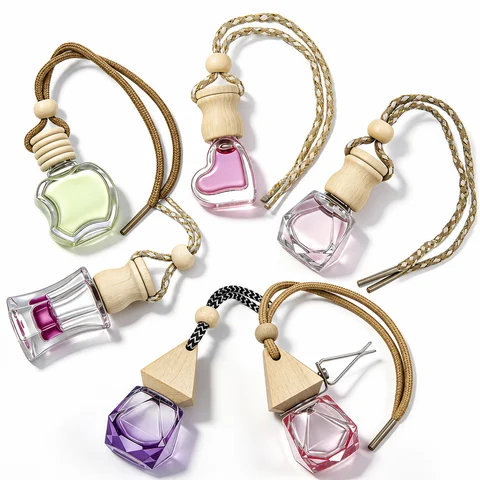
Ask for capacity, material and component details before choosing a sample.
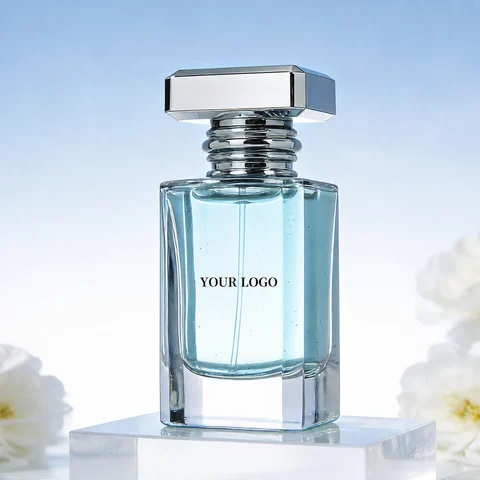
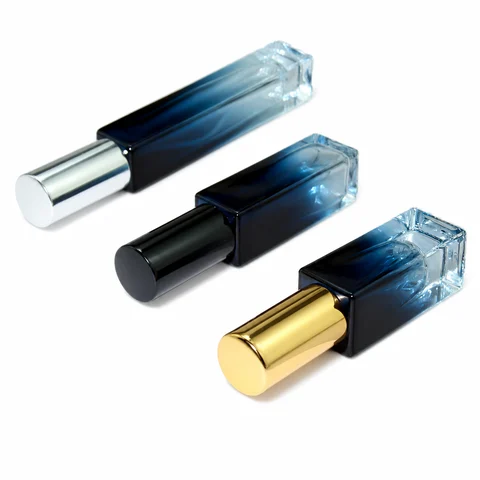
Ask for capacity, material and component details before choosing a sample.
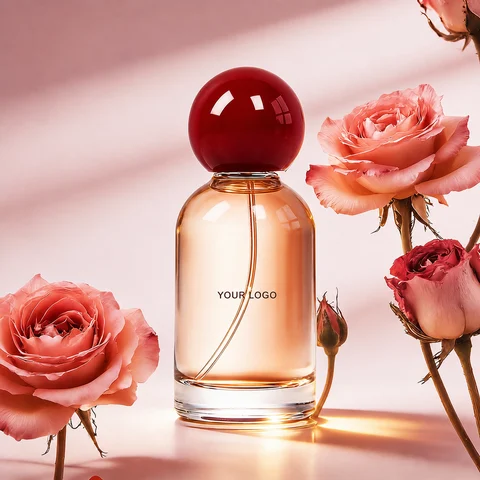
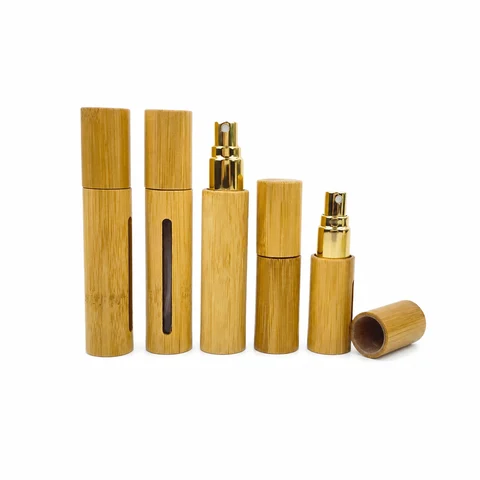
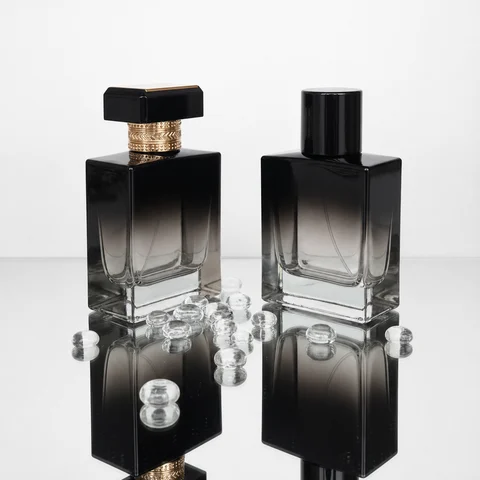
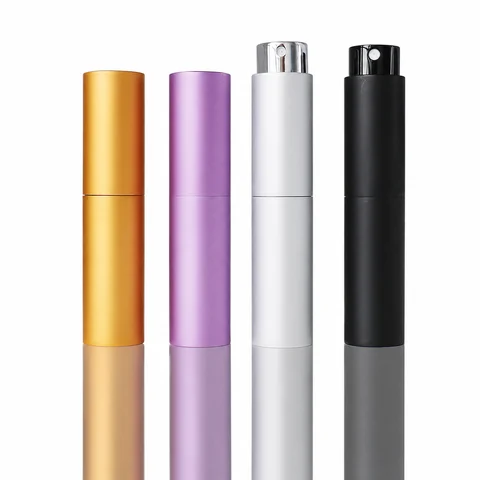
Ask for capacity, material and component details before choosing a sample.
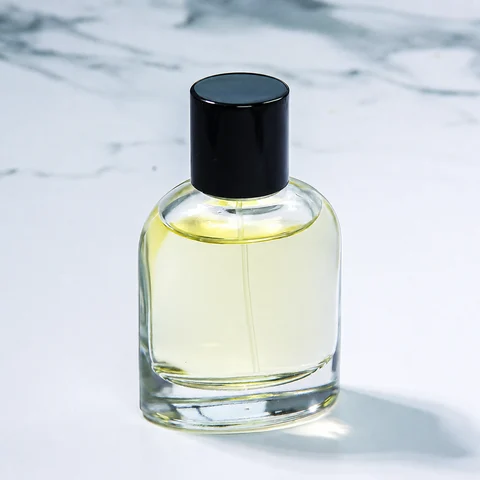
5 glass options
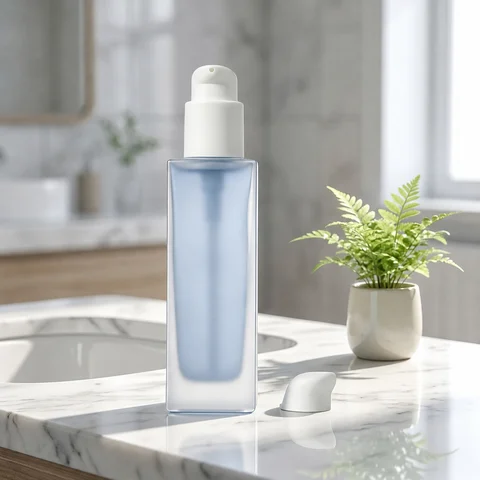
Compare serum bottle options by capacity and material, then confirm the required pump, dropper or closure and filled-pack testing.
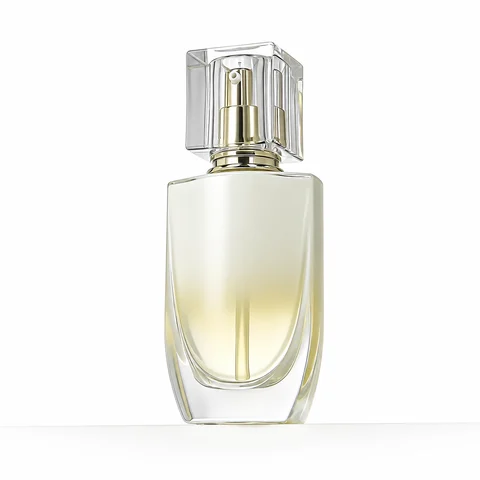
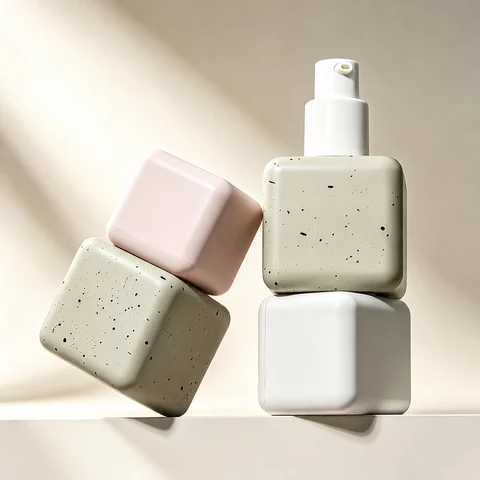
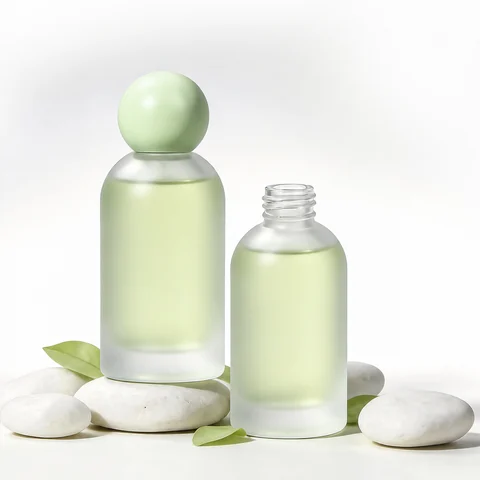
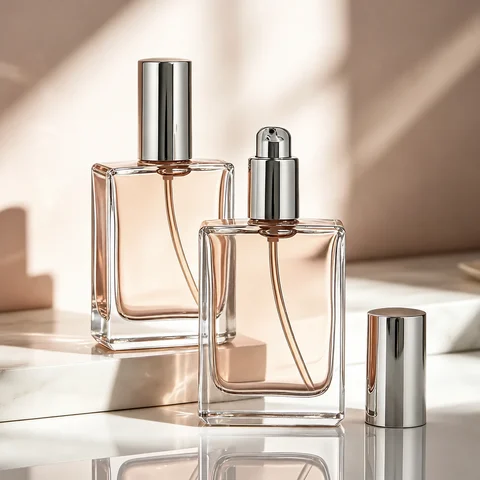
16 glass options
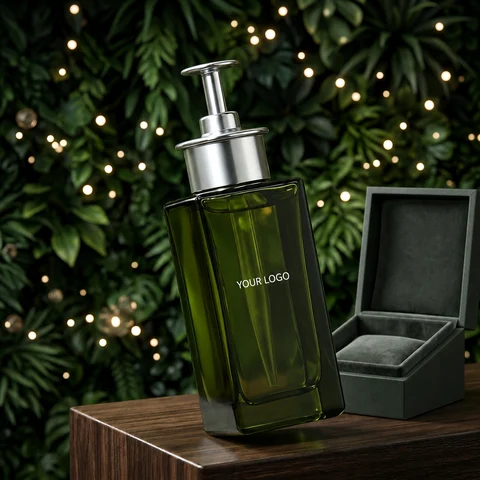
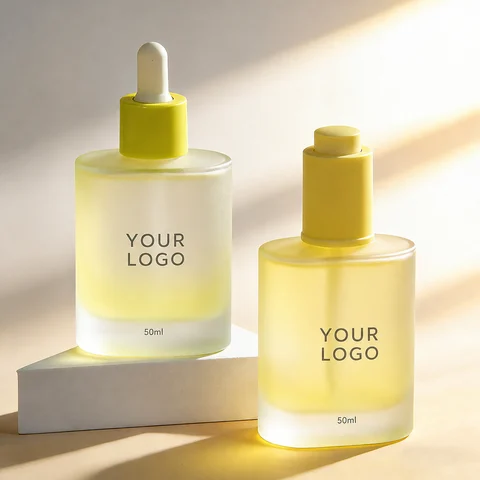
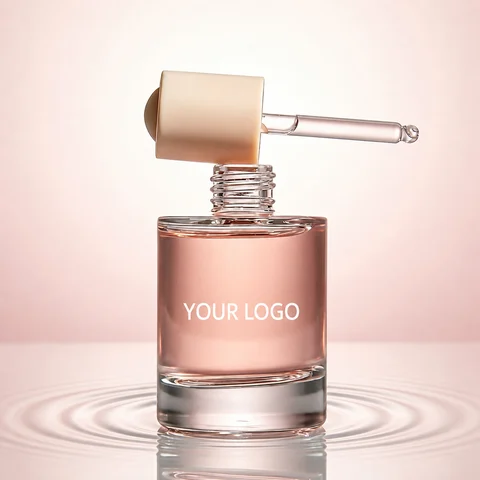
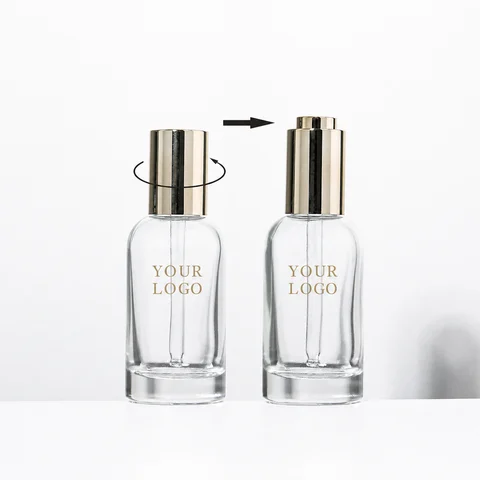
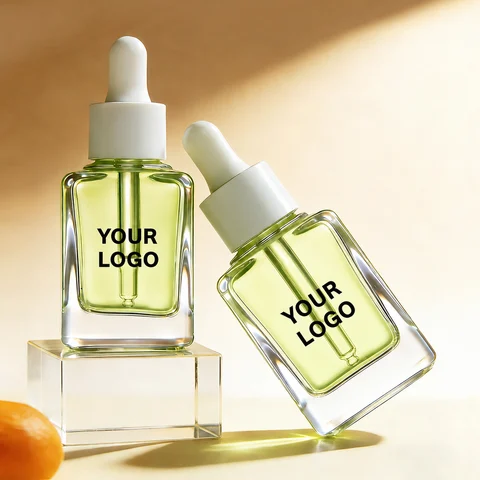
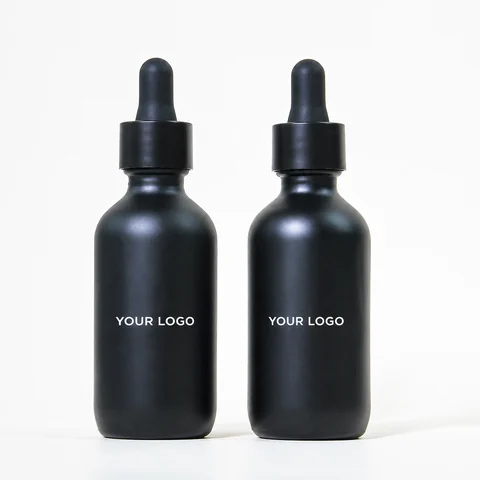
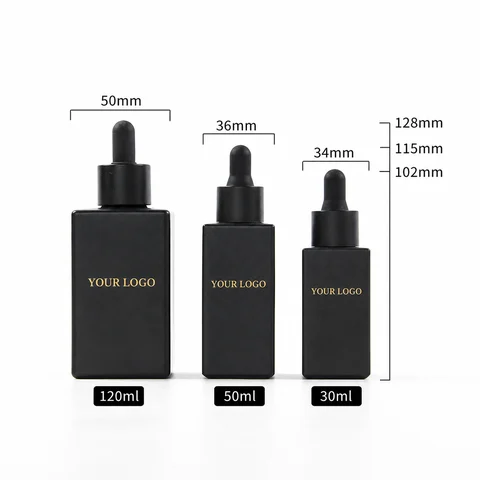
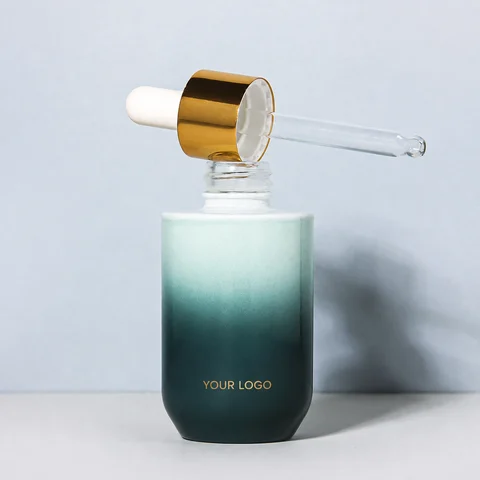
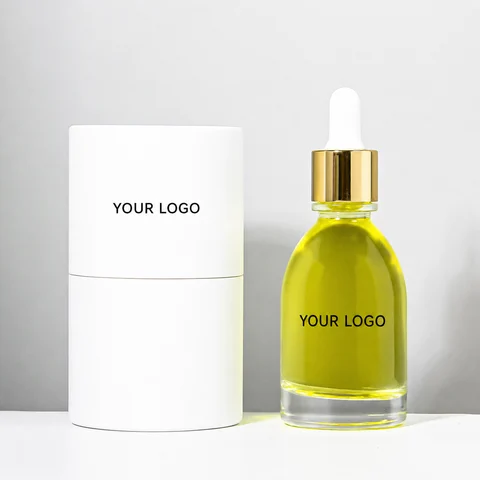
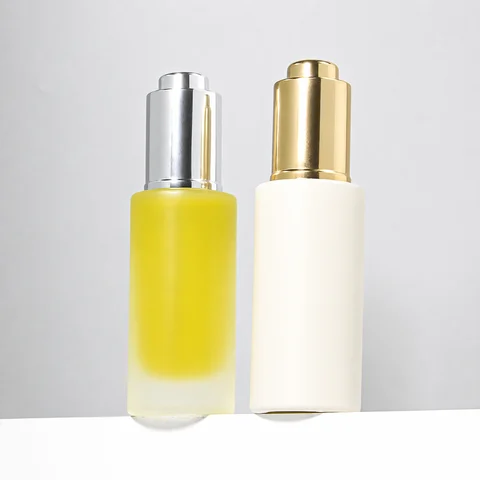
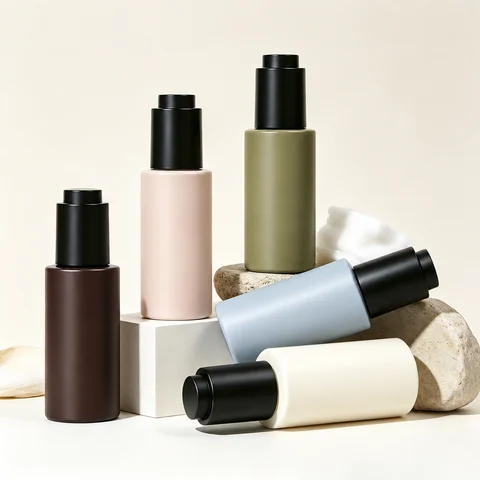
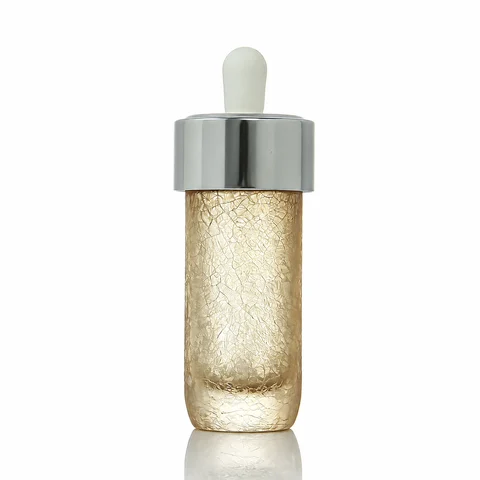
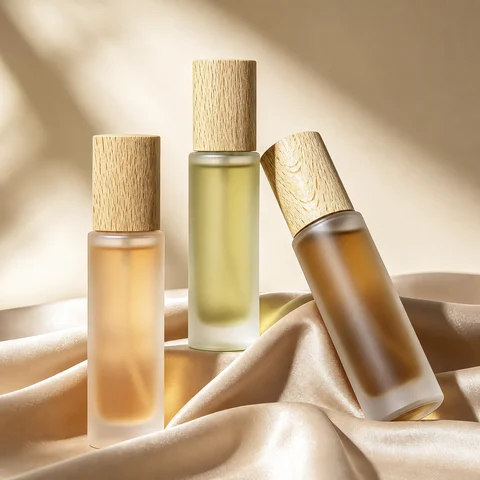
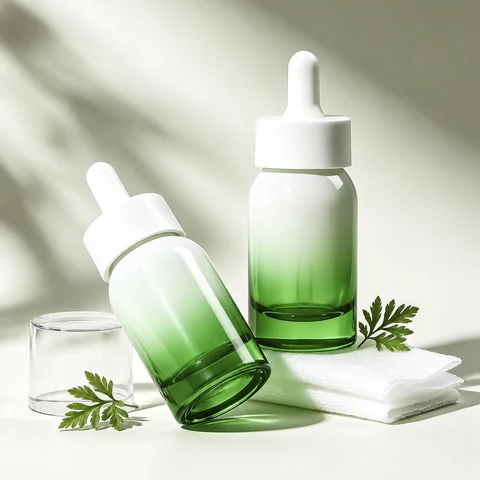
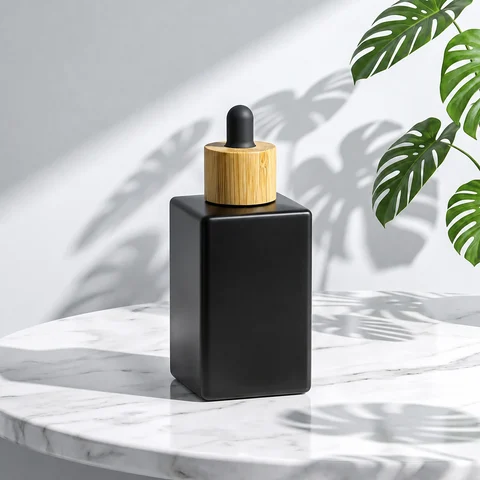
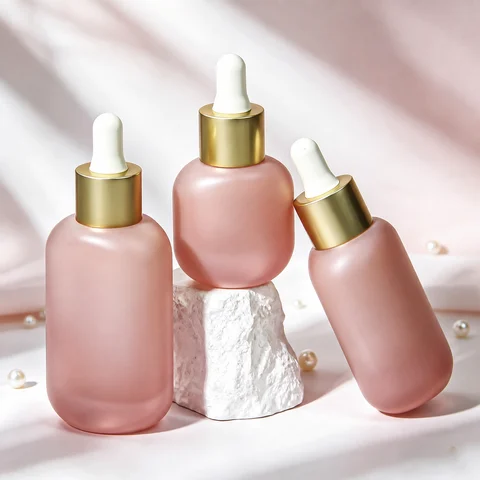
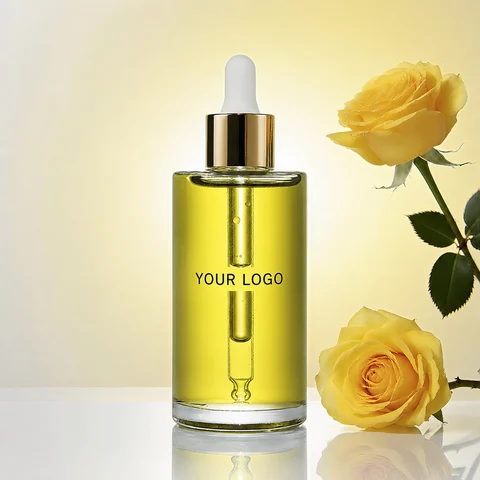
Compare dropper bottles for serum and oil projects, then confirm bottle neck, bulb, collar and pipette as a matched set.
5 glass options
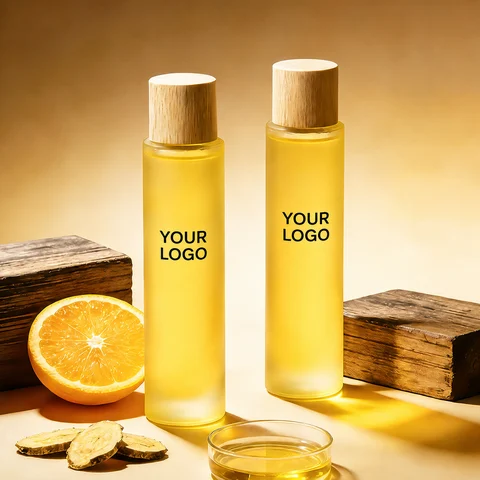
Browse small-format essential-oil bottle options with recorded closure and application details.
3 glass options
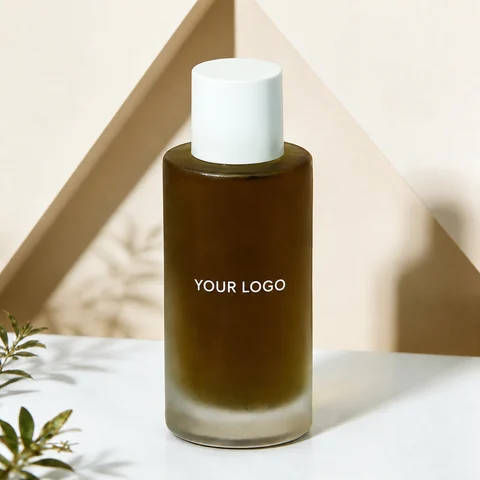
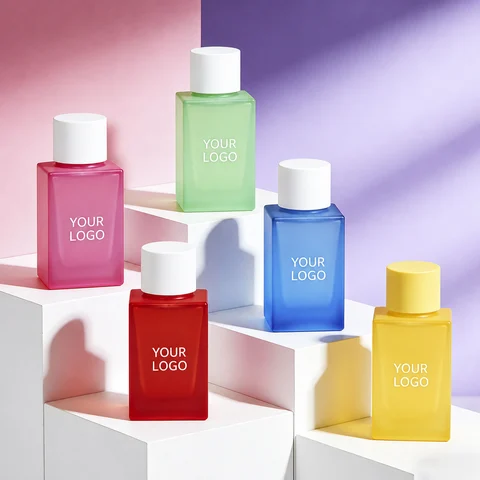
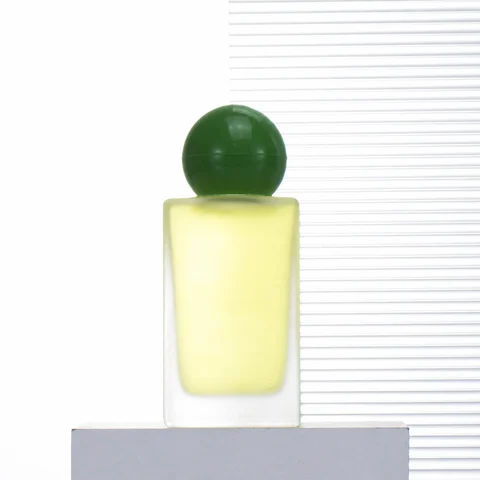
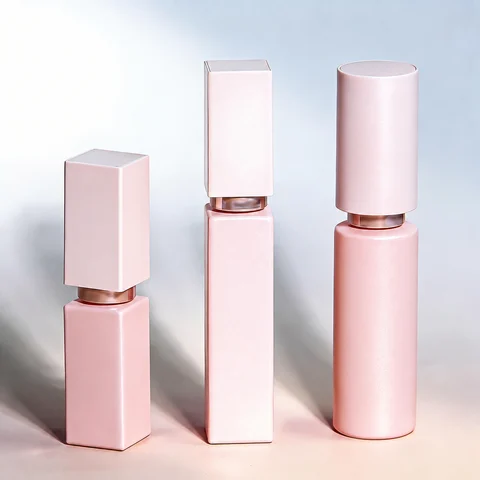
Browse skincare bottle formats for toner, lotion, hair care and treatment products.
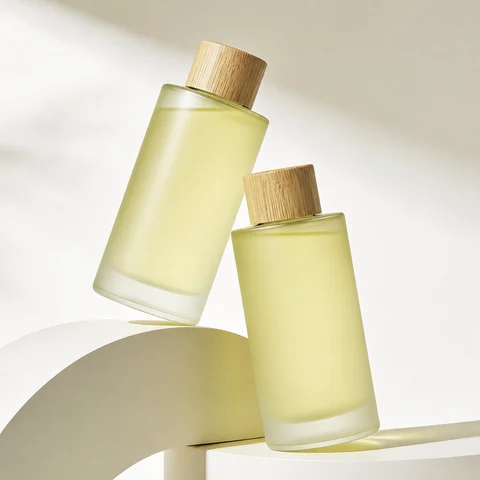
5 glass options
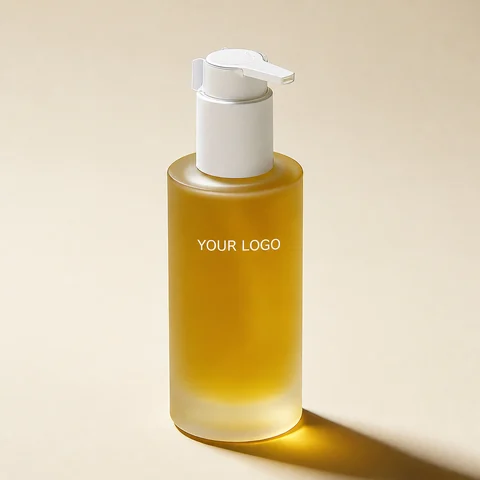
Browse pump and closure bottle formats for lotion, toner, hair oil and liquid skincare.
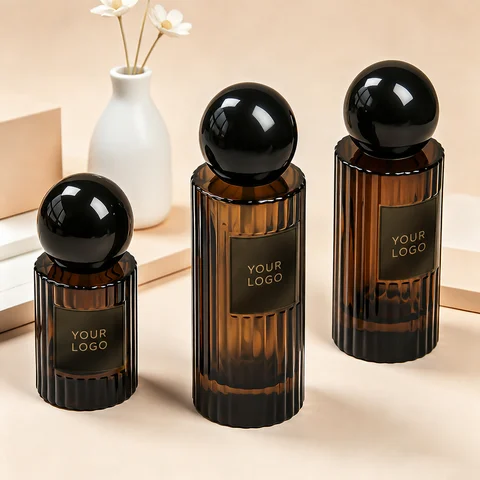
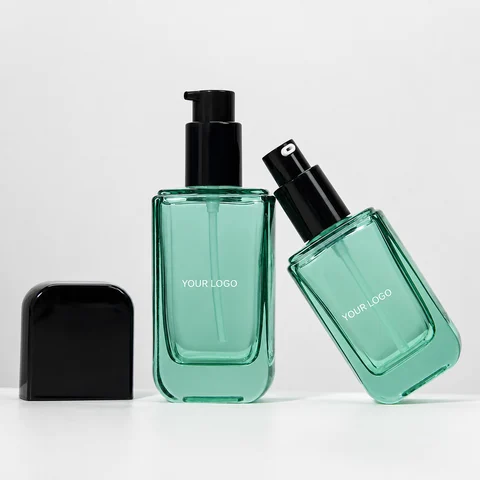
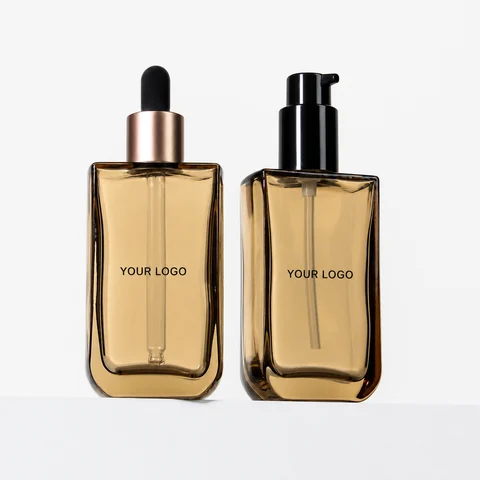
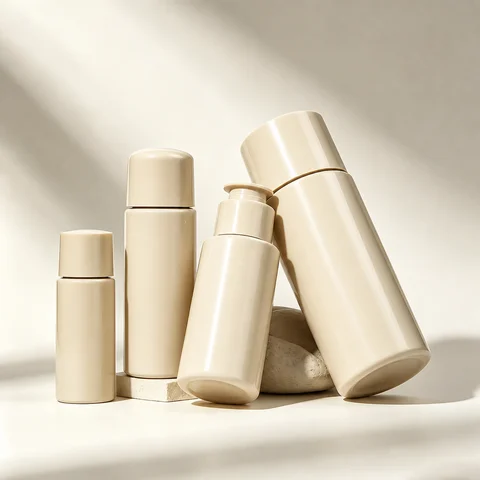
2 glass options
Compare fine mist bottle records, then confirm the neck, sprayer, dip tube, output and spray pattern as one dispensing system.
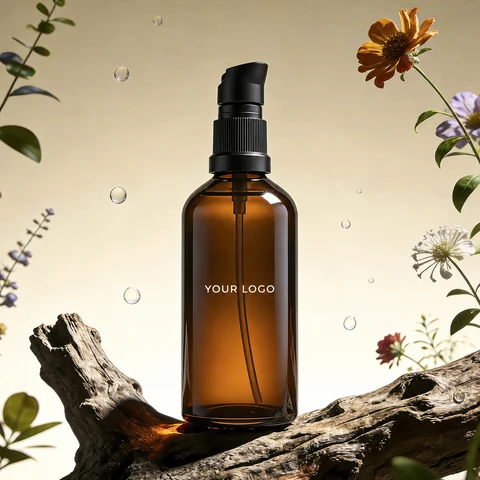
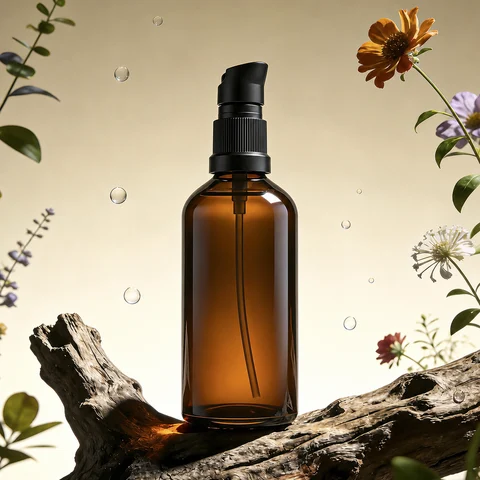
9 glass options
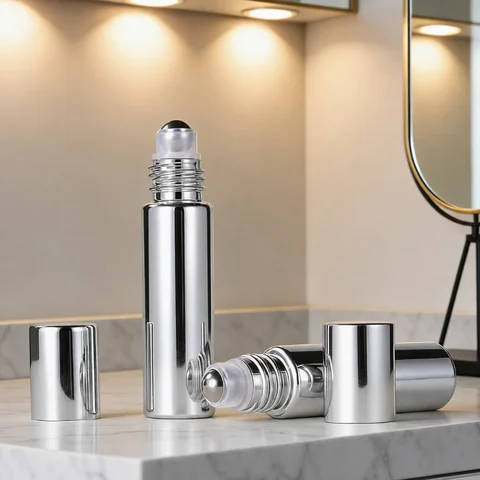
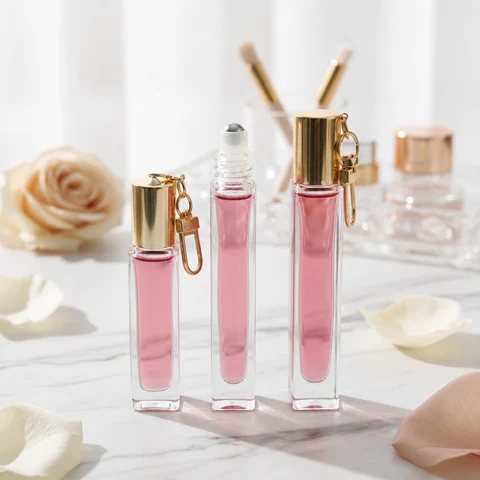
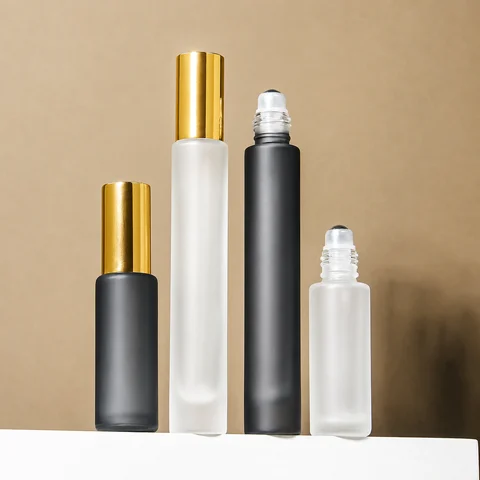
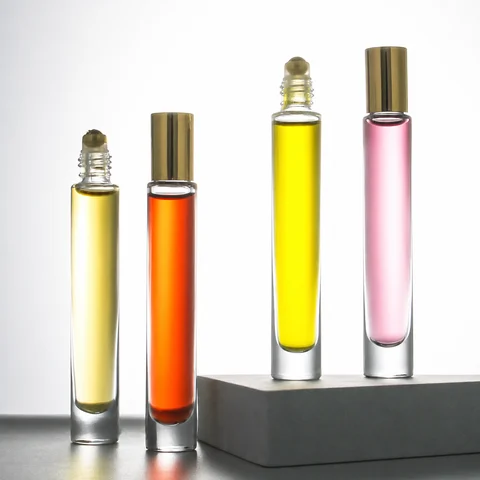
Compare roll-on bottle records, then confirm the ball, housing, bottle neck and cap for formula application and leakage control.
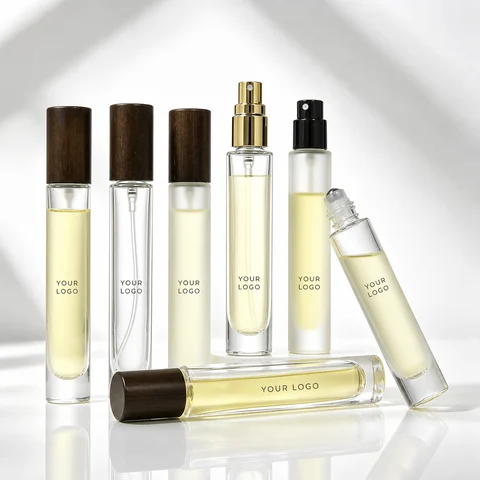
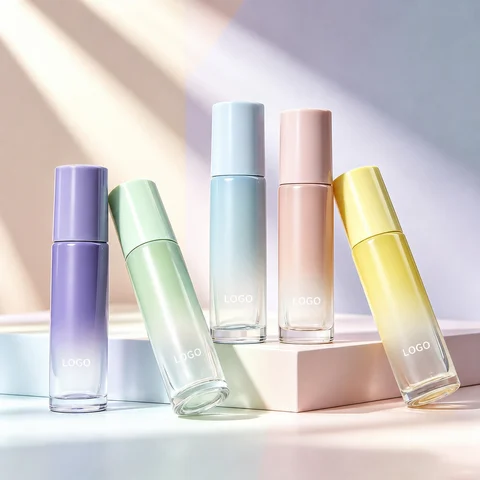
Ask for capacity, material and component details before choosing a sample.
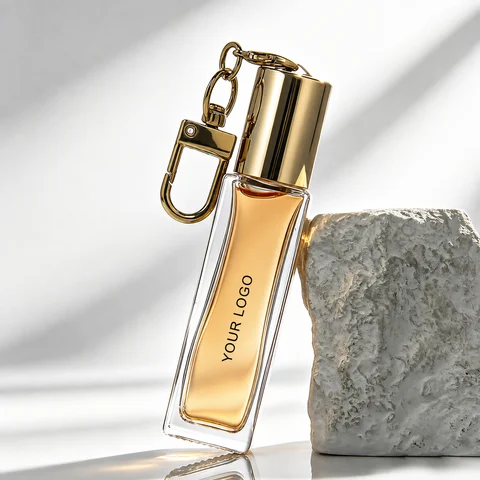
Ask for capacity, material and component details before choosing a sample.
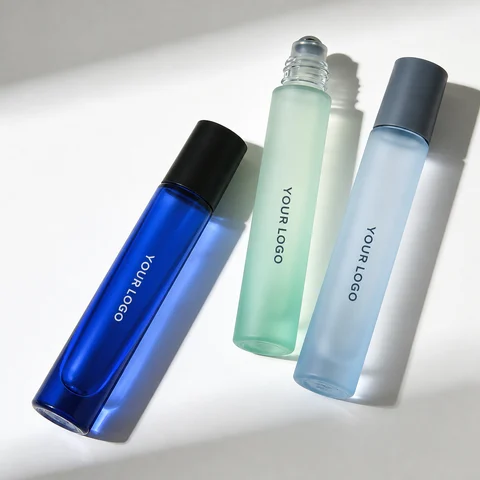
Ask for capacity, material and component details before choosing a sample.
Ask for capacity, material and component details before choosing a sample.
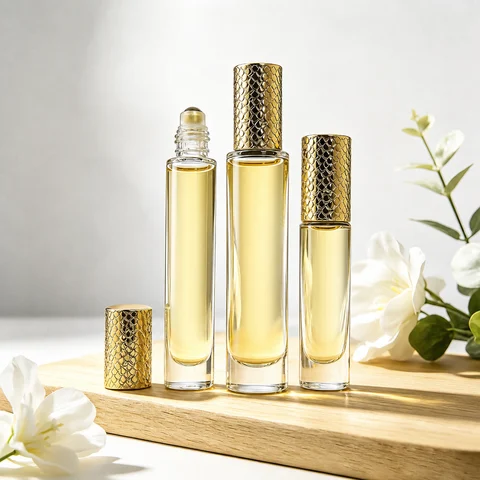
13 glass options
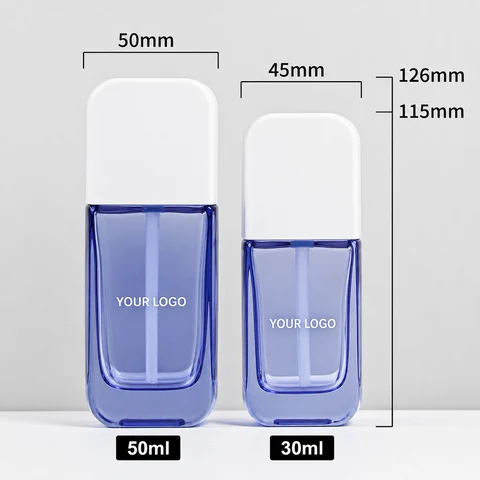
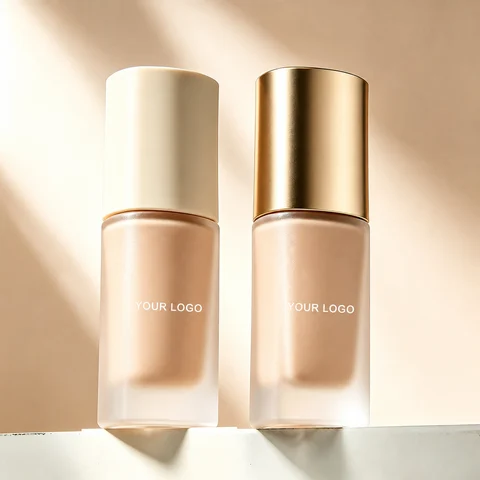
Compare foundation bottle records, then match the formula viscosity, pump output, closure and decoration to the intended application.
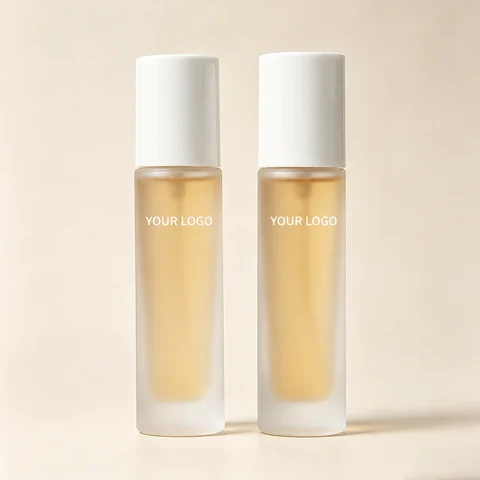
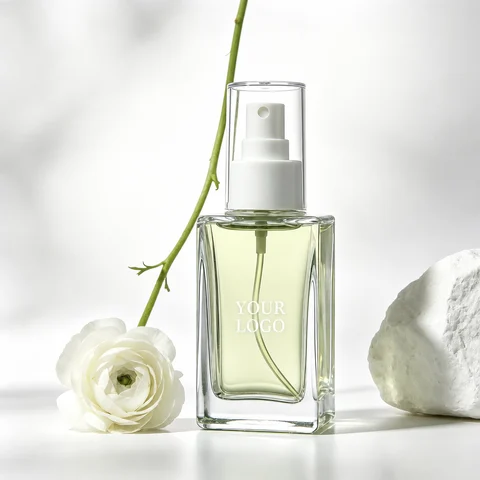
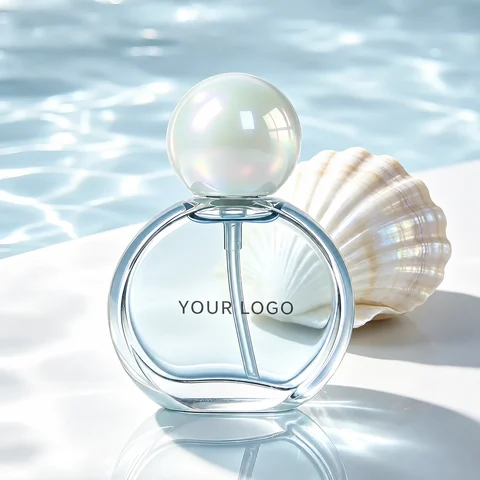
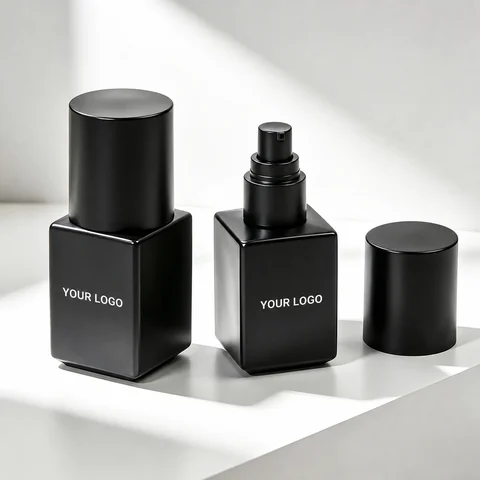
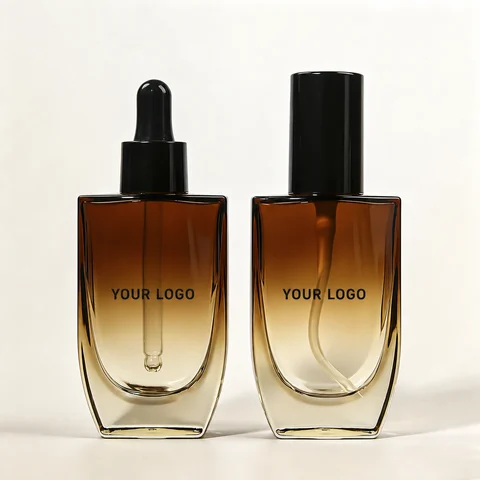
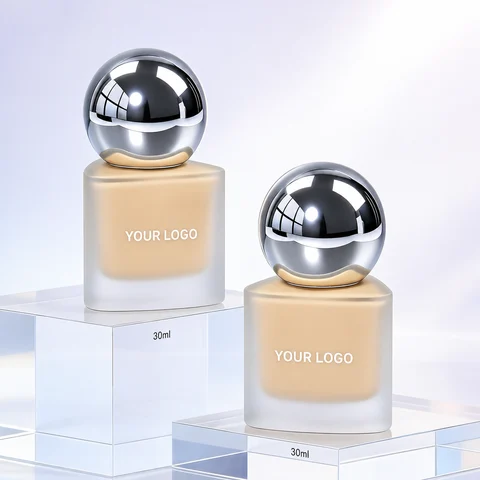
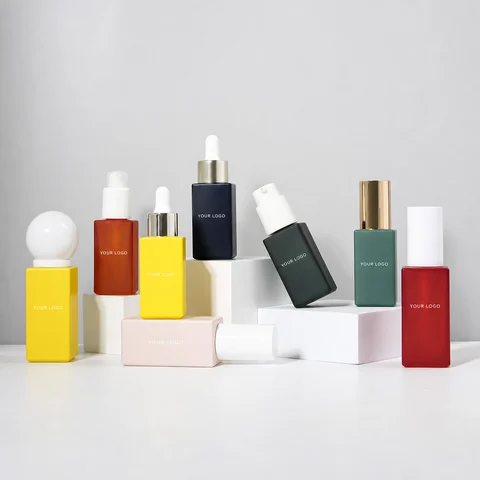
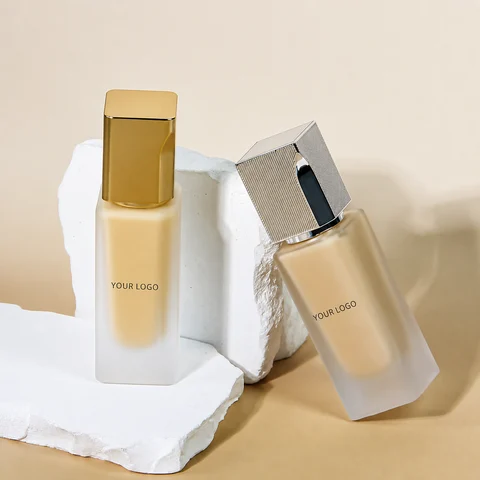
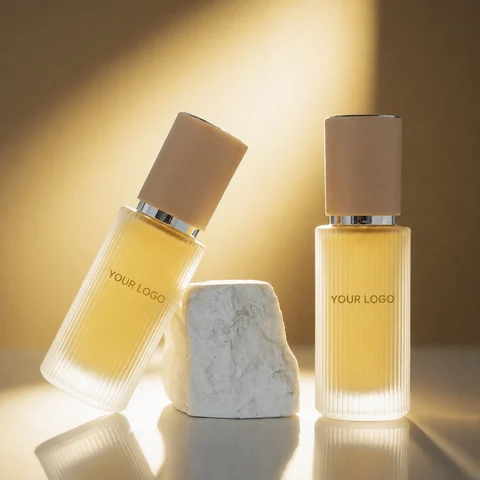
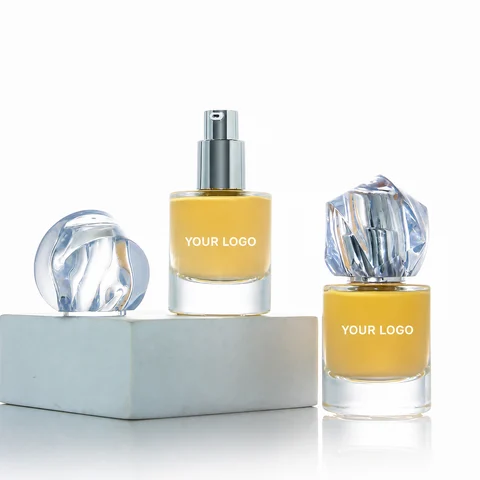
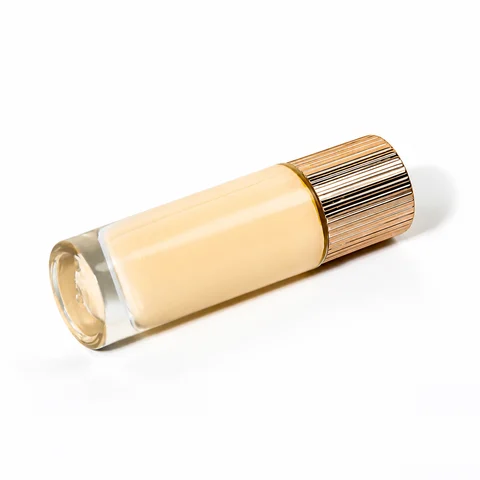
3 glass options
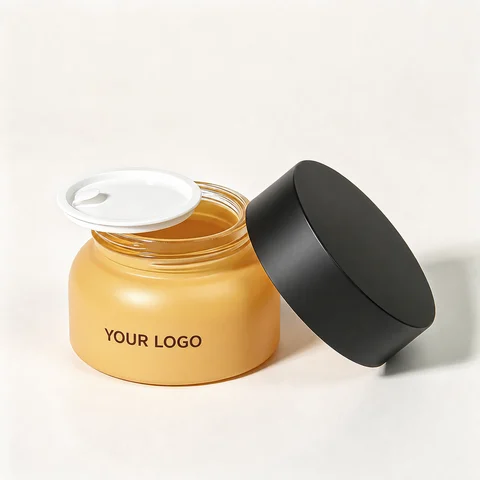
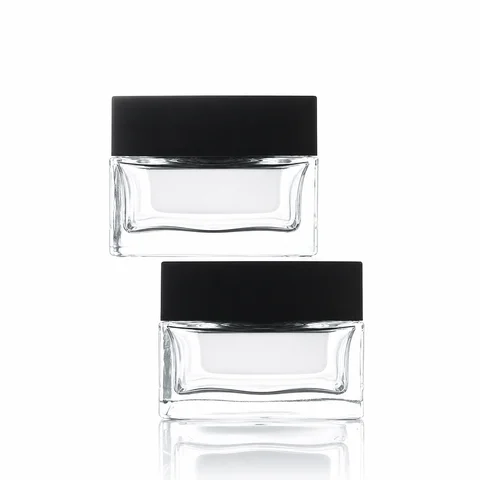
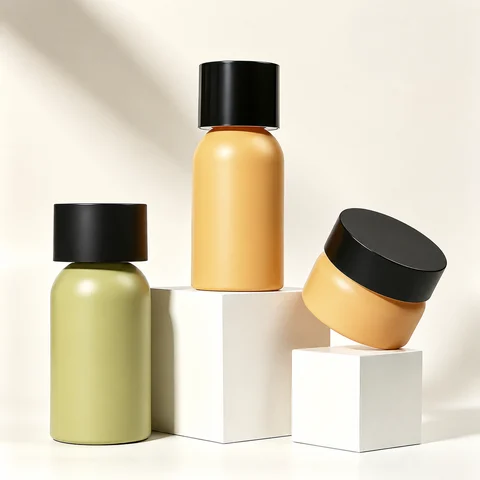
Compare recorded cosmetic jar formats for creams, masks and balms, then confirm container, cap, liner, seal and formula-contact requirements.
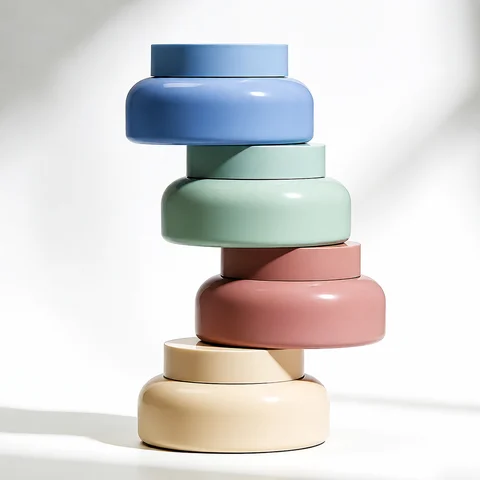
5 glass options
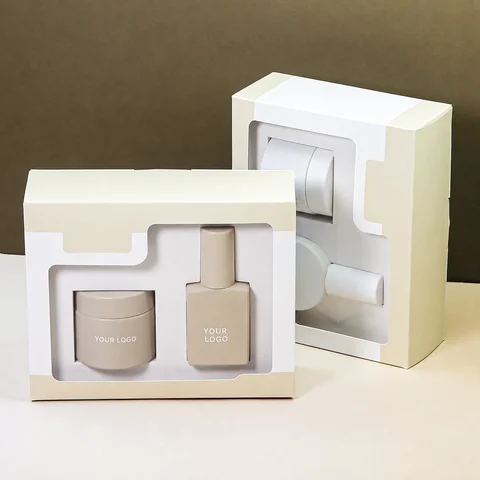
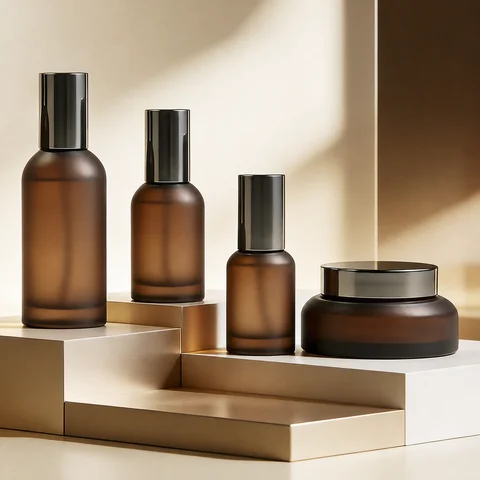
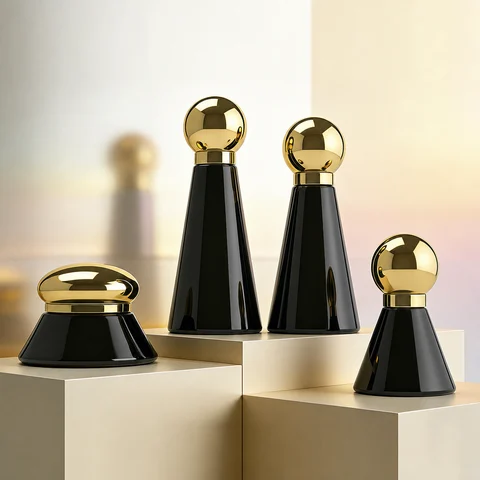
Browse coordinated bottle-and-jar packaging sets assembled from the recorded product collections.
10 glass options
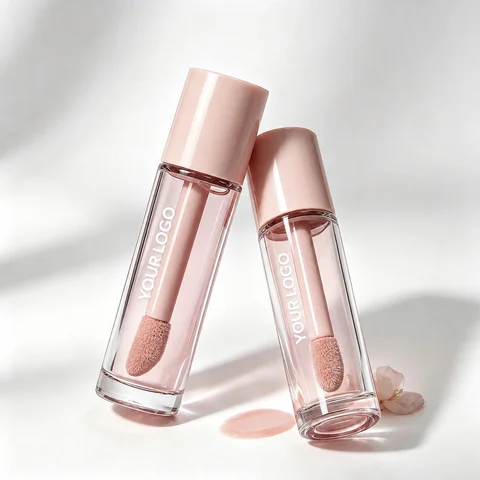
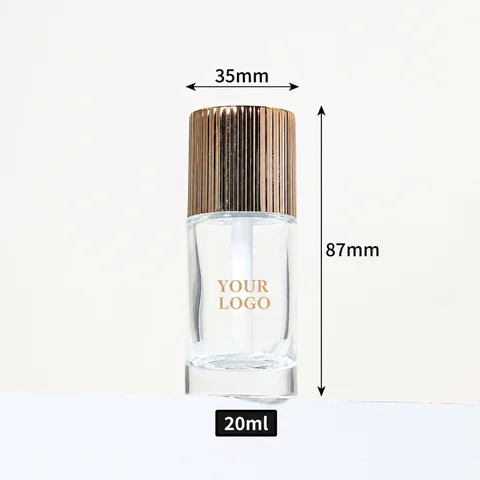
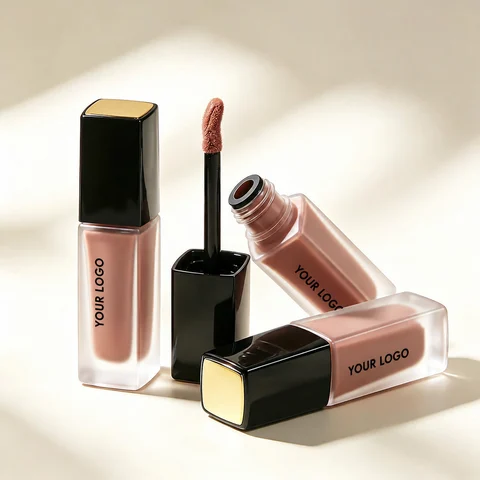
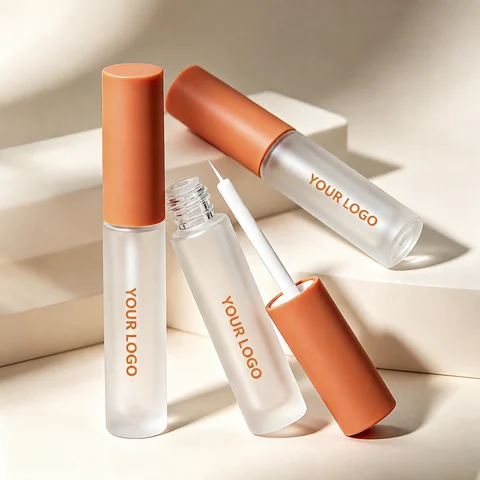
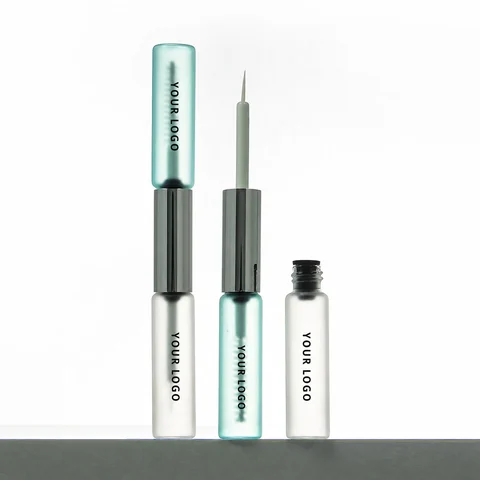
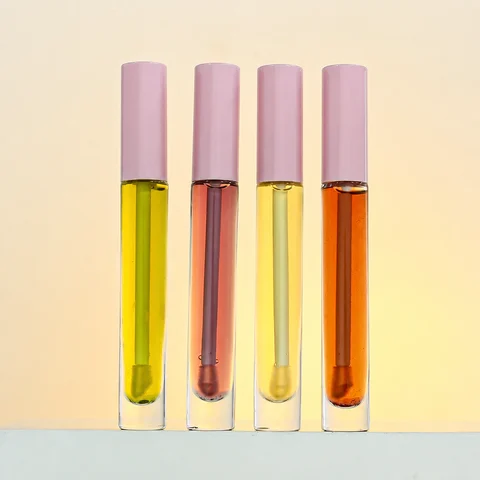
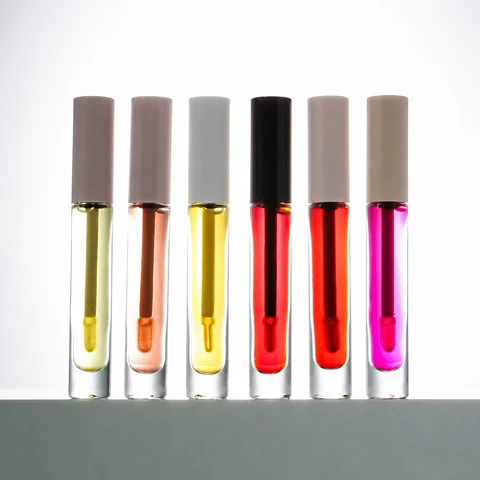
Compare lip gloss tube records, then confirm the bottle, wiper, wand and applicator for formula pickup, wiping and closure performance.
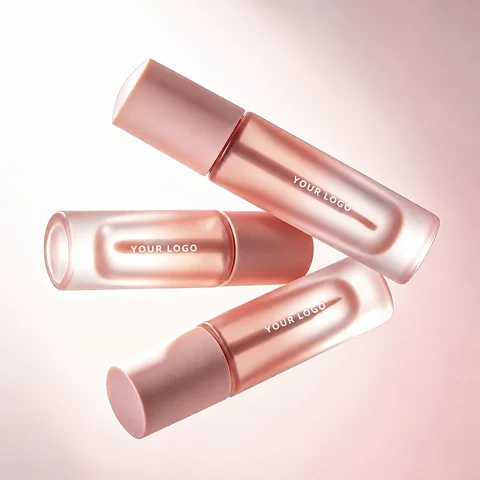
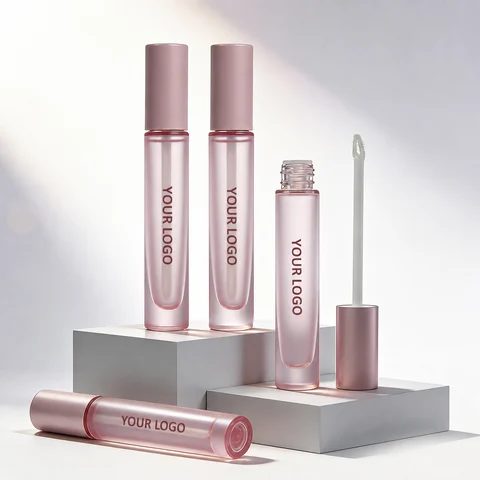
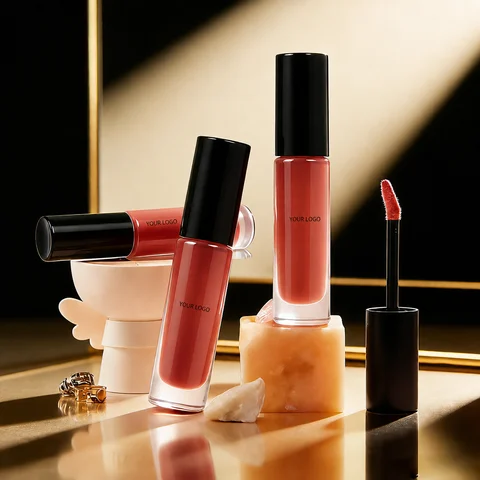
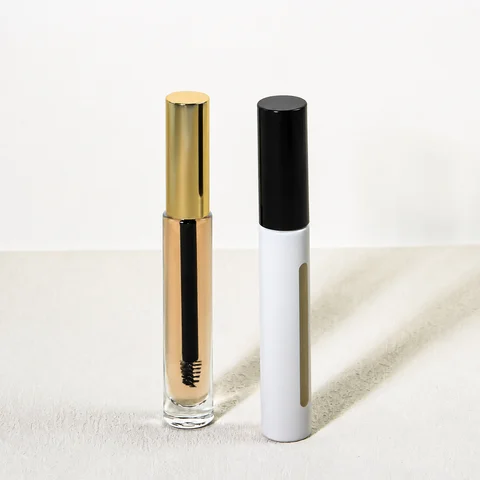
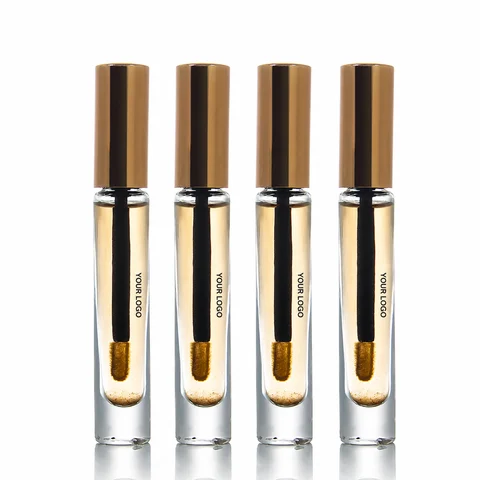
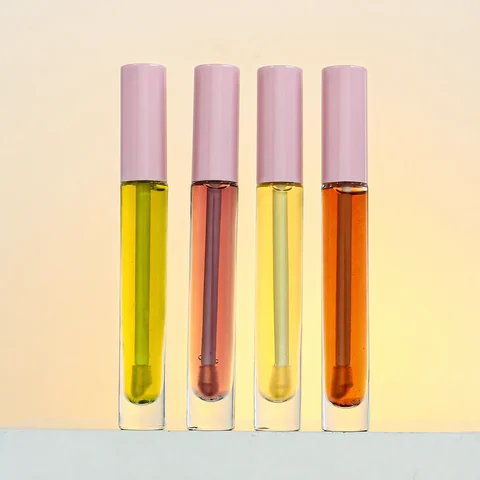
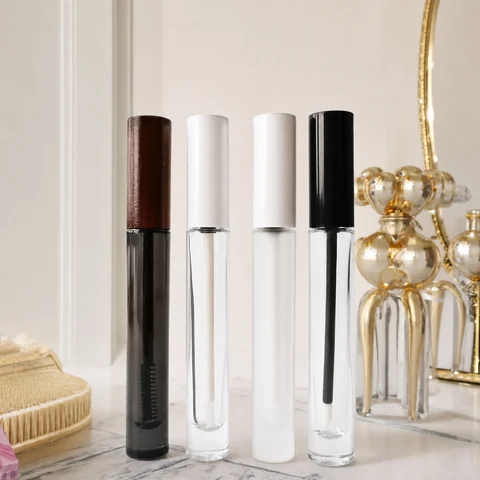
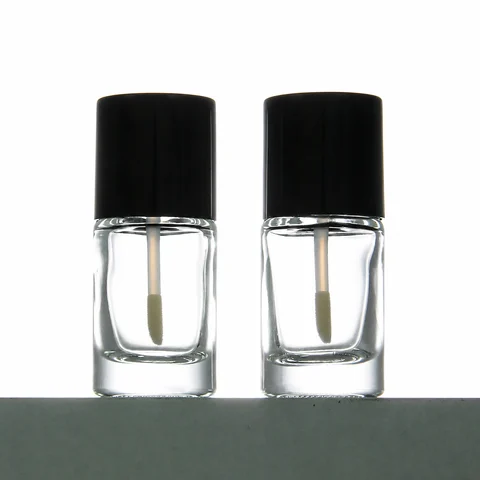
12 glass options
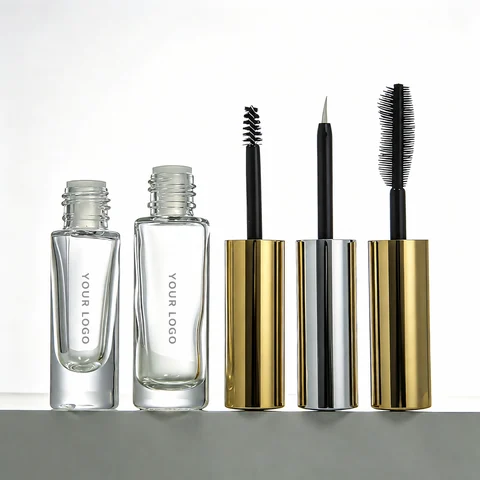
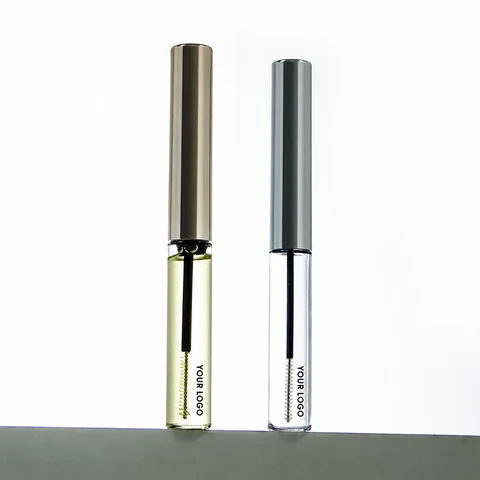
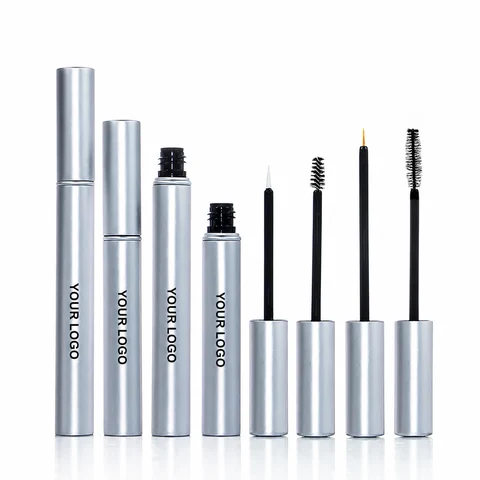
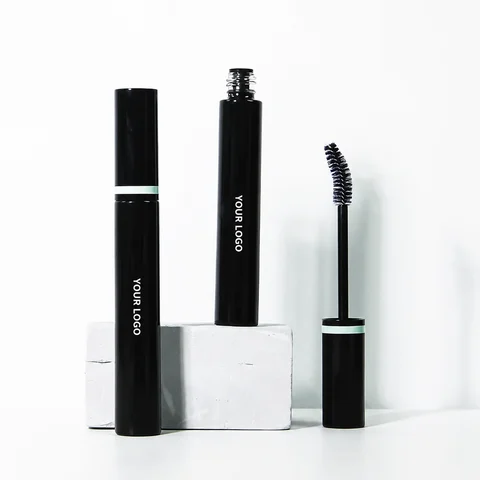
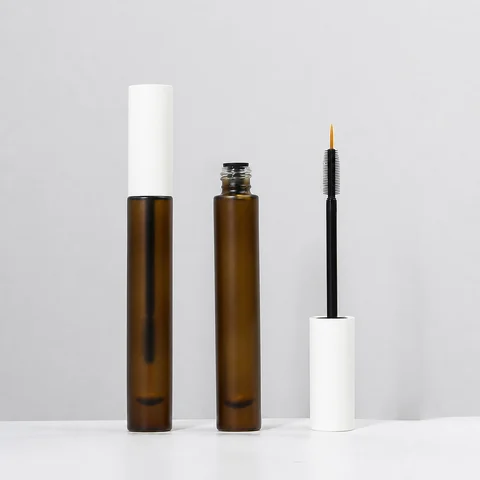
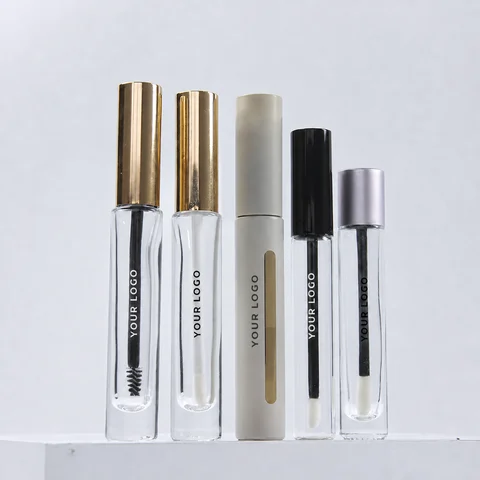
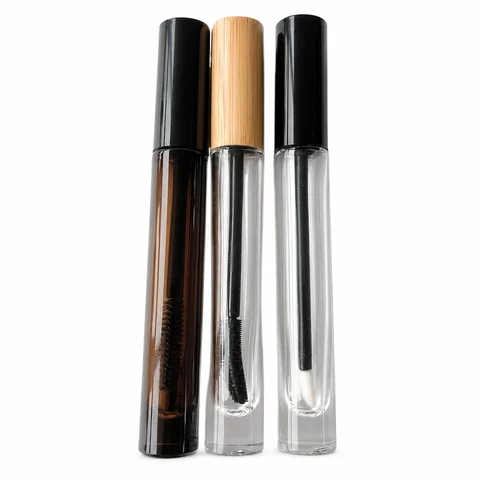
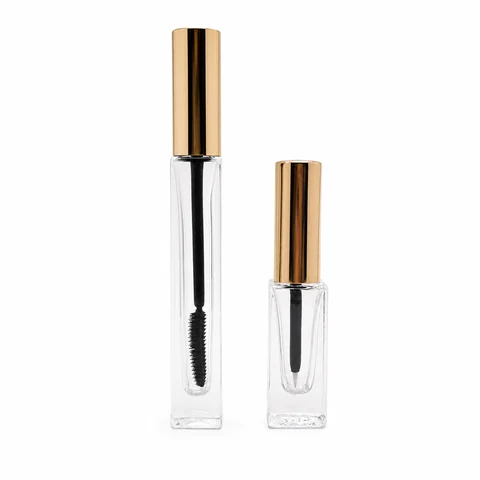
Compare mascara tube records, then confirm the bottle, wiper, stem, brush and formula pickup as a matched application system.
3 glass options
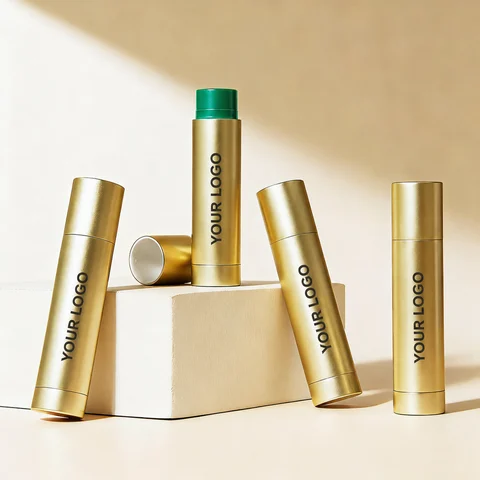
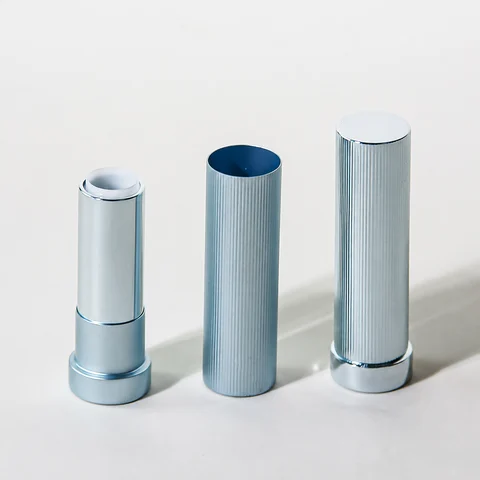
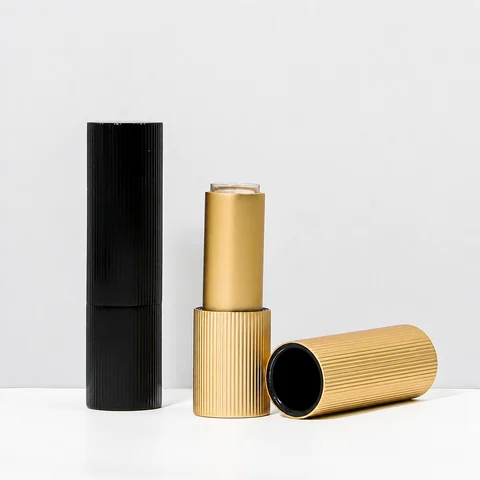
Compare lipstick tube records, then confirm the mechanism, cup, bullet fit, cap retention and finish as one custom packaging system.
1 glass option
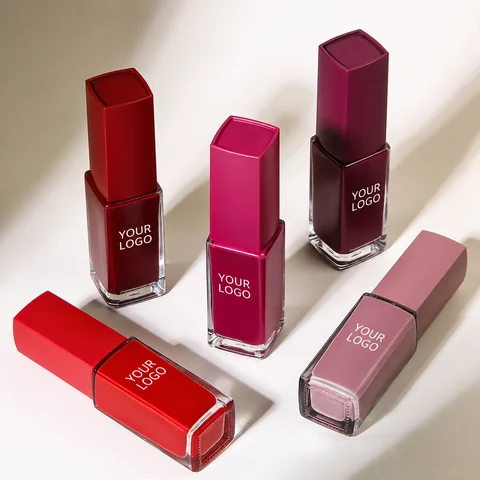
Browse makeup sticks, powder containers, compacts and other color-cosmetic packaging formats.
Material-led cosmetic packaging collection
Use this collection when glass is a required formula-contact or presentation material. Start with the application family, then compare the exact product code, closure or applicator, decoration route and filled-pack validation needs.
Formats
Review pump, dropper or closure routes after capacity and formula-contact requirements are defined.
Match the glass neck to the complete sprayer, collar, gasket, dip tube and cap assembly.
Compare jar, liner, seal and cap construction, then check cross-SKU appearance on the actual substrates.
Comparable RFQ fields
Use the same requirements when comparing products and supplier quotes.
| Parameter | What to compare | Why it matters |
|---|---|---|
| Glass type and color | Recorded material, clarity, amber or coated appearance | Material and color affect formula review, decoration and visual approval. |
| Neck and sealing interface | Neck finish, gasket, liner, closure and torque route | A visually similar component may not seal or assemble the same way. |
| Nominal fill and headspace | Published capacity plus the intended fill volume | Nominal size does not replace a filled-pack and filling-line check. |
| Decoration exposure | Frosting, coating, printing, stamping or labels | Each process needs substrate-specific adhesion and appearance approval. |
| Packing and transport | Divider, carton, orientation and representative distribution risk | Glass weight and breakage change the delivered-pack risk. |
Bill of materials
Keep the product code and every contact, dispensing, decoration and packing component inside one controlled BOM.
Product detail gallery
Open a product to browse its image gallery and specifications. Decoration and component combinations should be checked against your sample.
Formula and use questions
These questions guide the shortlist; filled-pack validation remains project-specific.
Which contact materials and dispensing dose are required?
Which neck, sprayer output and leakage orientation must be assessed?
Which liner, seal and consumer-use conditions touch the formula?
Controlled customization
Decoration feasibility depends on the selected code, glass surface, artwork, process and quantity. Request a process-specific sample route before relying on a render.
Validation before production
Select checks from the formula, dispensing, appearance, handling and transport risks of the actual project.
Review contact surfaces, appearance and functional change using the intended formula.
Test the assembled closure in representative storage and transport orientations.
Agree the handling and adhesion checks relevant to the chosen finish.
Use representative packing and distribution conditions instead of testing an unpacked bottle alone.
Sample and order path
Choose a product, review its sample and agree the quotation scope.
Send exact product codes, capacity, application and required closure.
Request the recorded neck and a matched assembled component set.
Approve undecorated and decorated references for the selected glass.
Confirm quantity by SKU, packing, destination and validation scope before comparing terms.
Packaging business division support
BeautyContainers can organize code-level comparison, component clarification, sample requests and quotation follow-up for the selected glass pack.
Buyer resources
Open the resource that matches the unresolved material, component, testing or approval decision.
Compare material trade-offs before making glass a fixed requirement.
Open resourcePlan filled-pack checks for the chosen formula and component set.
Open resourceTranslate visual and functional defect concerns into an approval brief.
Open resourceThe collection includes records whose source fields identify glass in the container or relevant body description. Pumps, caps, droppers, wipers, liners and decorative parts may use other materials and must be confirmed by product code.
No single appearance claim replaces product-specific evidence. Confirm the glass description and assess the filled pack under the storage and exposure conditions relevant to the formula.
Only after the neck, sealing interface, component dimensions and assembled performance are confirmed. Similar-looking necks or closures should not be assumed interchangeable.
Approve the actual process on the selected glass, retain a physical reference and define the appearance and durability checks that matter for filling, packing and use.
Include product codes, formula type, fill volume, closure or applicator, decoration, quantity by SKU, destination, packing and the required sample and validation route.
Collection buyer guide
A useful shortlist holds the application and BOM constant before comparing appearance or price.
Define contact risk, dispensing, consumer handling and target fill before choosing shape.
Record the bottle code, neck, closure, contact parts and decoration as one reviewable system.
Do not compare an undecorated bottle from one route with a decorated, component-matched sample from another.
Continue by decision
Choose the next page by application or the unresolved product decision that matters to your project.
Start a project
Project minimums, timing, component availability and evidence are confirmed after the exact pack and process are reviewed.