
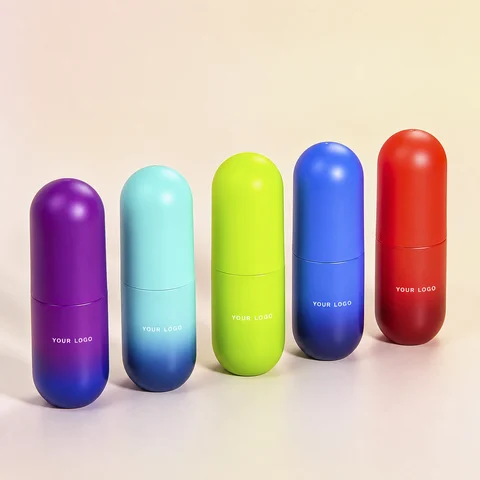
 202 Products in 18 Families
 Packaging Built Around the Buyer
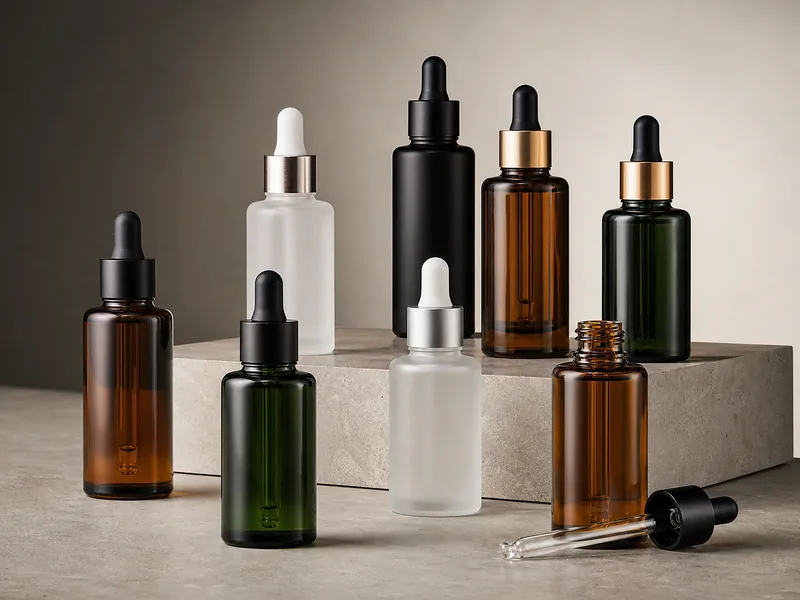 From Brief to Approved Sample
 Cosmetic Packaging Buyer Guide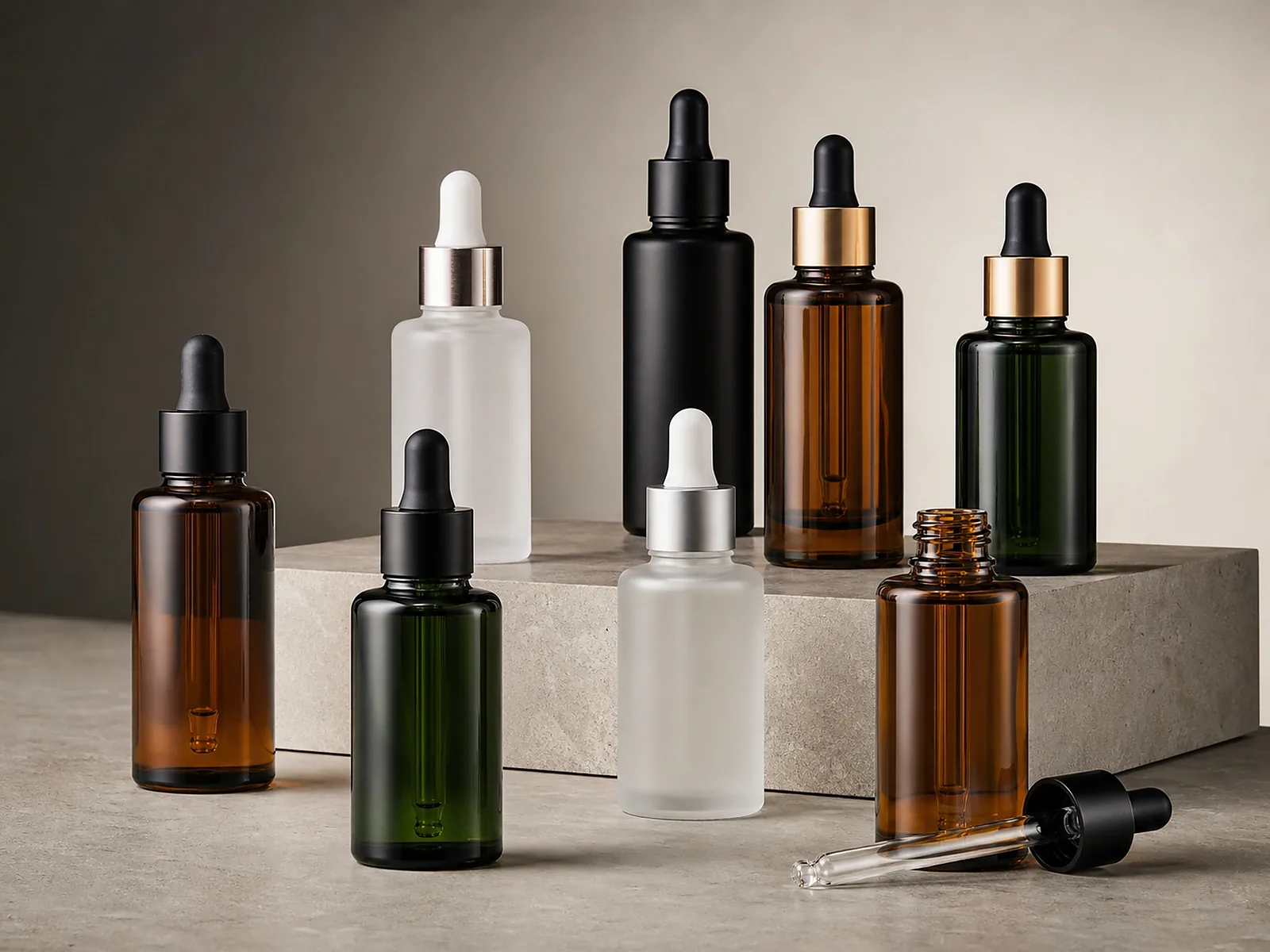
Direct answer
Custom Packaging: From Concept to Shelf
A custom pack reaches shelf reliably when each stage produces an approved output: brief, concept, technical specification, physical sample, validation result, production release and reorder record.
The practical decision still depends on the actual formula, packaging structure, production process, destination market, quantity and brand position. Treat editorial content as a way to improve the brief, not as universal approval of a material or product.
Buyer Takeaways
- Freeze the problem before designing
- Review manufacturability early
- Use physical samples for approval
- Keep one revision-controlled project record
Decision Table
| Direction | What to evaluate | Evidence or output |
|---|---|---|
| Brief | User, formula, quantity, market and timing | Approved project requirements |
| Development | Structure, components, artwork and tooling | Technical BOM + samples |
| Release | Tests, tolerances, packing and inspection | Production approval |
Evidence and Responsibility
Request information for the exact product code, material, manufacturing entity and process. Generic declarations, empty-pack tests and photographs have limits. The brand, filler or responsible party should validate the final filled package and market-facing claims.
Terms such as “FDA approved,” “compatible with all formulas,” “fully recyclable” or “eco-friendly” require precise scope, current evidence and market context.
Frequently Asked Questions
When should tooling begin?
After the structure, ownership, acceptance, budget and timing are approved and manufacturability risks are understood.
Can artwork start before the final drawing?
Concept work can begin, but production artwork should use the approved print area or dieline.
What should be retained for reorders?
Retain drawings, BOM, artwork, approved samples, tolerances, test records and change history.
Recommended Next Step
Continue with the product, test or sourcing page that matches this decision.